Rolex Clone Movement: VS3235 vs VR3235 vs DD4130 Explained
A Rolex clone movement is a mechanical caliber built to copy the architecture of a specific Rolex movement — its bridge layout, gear train, beat rate and power reserve — rather than a generic movement with a Rolex-style rotor bolted on. It is what separates a flagship super clone from an ordinary replica, and it is the single most important thing to get right when you buy. This guide explains every clone caliber that matters in 2027: the 3235 family (VS3235, VR3235 and the new JH3235), the Daytona chronograph clones (DD4130/4131), and what a clone genuinely reproduces versus what it cannot.
What Is a Rolex Clone Movement?
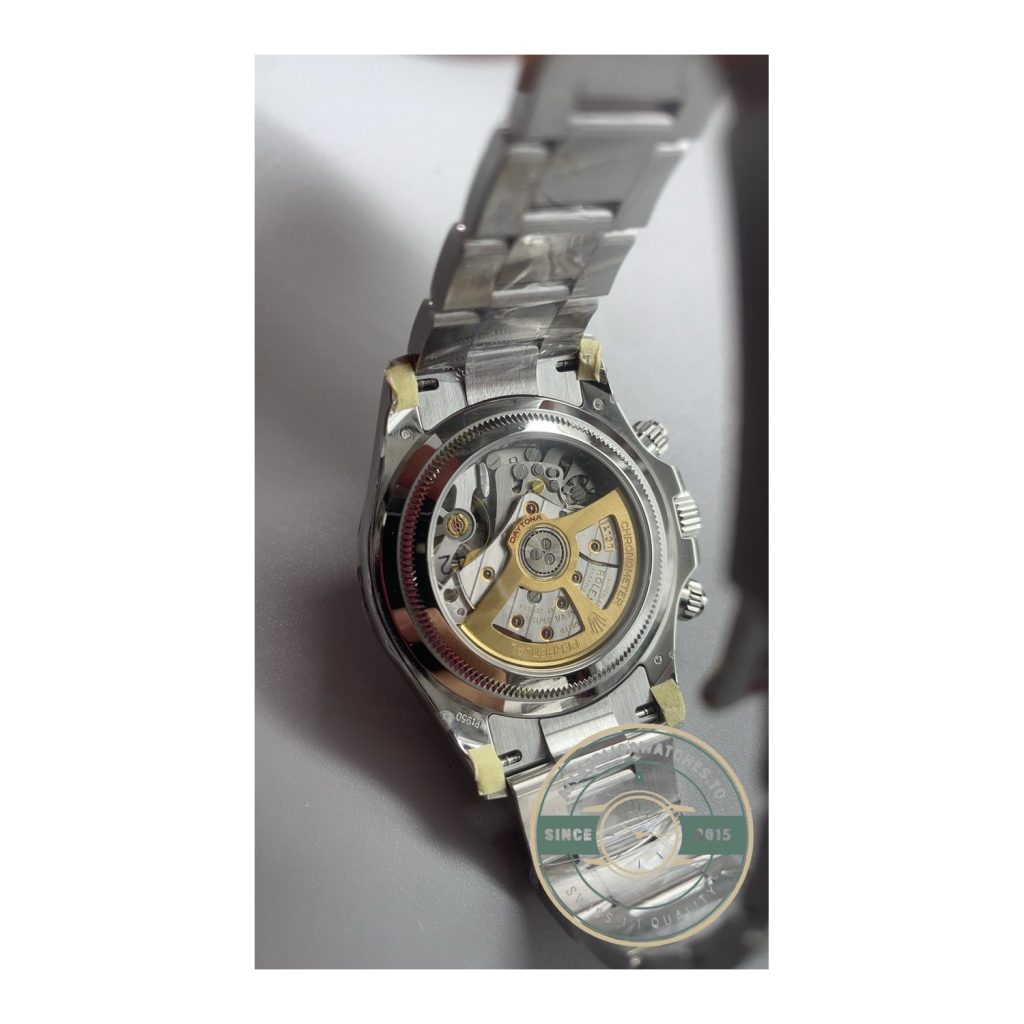
A clone movement is a caliber engineered to copy a specific Rolex movement’s internal design — not just its looks. That means reproducing the bridge and gear-train layout, the escapement geometry, the beat rate of 28,800 vibrations per hour, and a comparable power reserve. It is the opposite of an “Asian-base” movement, where a generic workhorse like a modified Miyota 8215, a Seagull ST, or a DG2813 gets a Rolex-engraved rotor and decorated plates added on top to look the part from the dial side.
The distinction matters because you feel it every day. A true clone caliber winds smoothly, holds time across positions, and runs for days off the wrist. An Asian-base movement looks correct in a photo but gives itself away with a shorter power reserve, a louder rotor and a less precise crown feel. When a dealer says “super clone,” they should mean a dedicated clone caliber — and you should ask which one. Here is the same kind of movement running inside a flagship build:
The Clone Movement Families
Clone calibers are named by who made them and which Rolex movement they copy. The letters identify the maker — VS is VS Factory’s movement division, VR is a widely-used movement line, DD is Dandong, JH is Jinghe — and the digits are the Rolex reference they follow. So “VS3235” means a 3235-architecture movement made by VS. Here are the families that actually matter:
VS3235 vs VR3235 vs JH3235
The 3235 is the movement inside most of the current three-hand-plus-date catalogue, so its clones are the ones you will meet most often. Three matter today, and they differ in maturity rather than basic design. The VS3235 is the free-sprung flagship with the longest claimed runtime; the VR3235 is the everywhere-movement with the deepest parts and service history; and the JH3235 is the newcomer that forums discuss as a free-sprung step forward — though, as of 2027, its maker and specification remain a single-source rumour rather than a confirmed product. Here is how they line up:
Our position, plainly: if you want the safest bet today, the VS3235 has the history and the free-sprung balance. The VR3235 is the sensible value pick — it is everywhere, so any watchmaker who has serviced aftermarket Rolex movements has serviced one. The JH3235 is interesting if you like being early, but we would not pay a premium for a specification that forums cannot yet confirm.
Free-Sprung vs Regulated Balance
This is the single biggest technical difference between the flagship 3235 clones and the cheaper ones, so it is worth understanding. A mechanical watch keeps time because a balance wheel swings at a fixed rate. There are two ways to adjust that rate. The common one is a regulator: a small lever with a pin that pinches the hairspring and shortens or lengthens its working length. It is simple and fast to service, but the lever is held by friction against a spring that flexes eight times a second, so it can creep, and a knock can shift it.
The other way is a free-sprung balance. There is no lever and nothing touching the hairspring along its length. Instead the balance wheel itself carries tiny adjustable weights on its rim, and a watchmaker changes the rate by turning those. Two consequences follow, and they are why Rolex uses this design: stability, because nothing is held by friction so nothing can creep; and consistency across positions, because the hairspring breathes symmetrically without a pin restricting it. The VS3235 and the reported JH3235 copy this architecture; the VR3235 uses a regulated lever. The trade-off is service — adjusting weights on a balance rim is slower and needs a steadier hand than sliding a lever, so a watchmaker who has only worked on regulated movements will take longer.
The Hairspring: What a Clone Cannot Copy
Here is the honest limit of every clone caliber, no matter the factory or price. Rolex uses a Parachrom hairspring with a Breguet overcoil — the outermost turn of the hairspring is bent up and inward so it breathes concentrically around the centre. This overcoil is what keeps the rate consistent between positions at a level clones do not reach, and the Parachrom alloy resists magnetism and temperature in a way aftermarket springs do not.
Clone movements use a flat hairspring instead. Cosmetically it is irrelevant — on a Submariner or Datejust the caseback is solid, so you will never see it. Functionally it means a clone drifts a little more across extreme positions and over the last hours of the power reserve. For a watch you wear daily and wind every morning, you live permanently in the stable first half of the reserve and will not notice. It is simply the one part the copy stops at — and any guide that claims otherwise is selling you something.
Daytona Chronograph Clones: DD4130 & DD4131
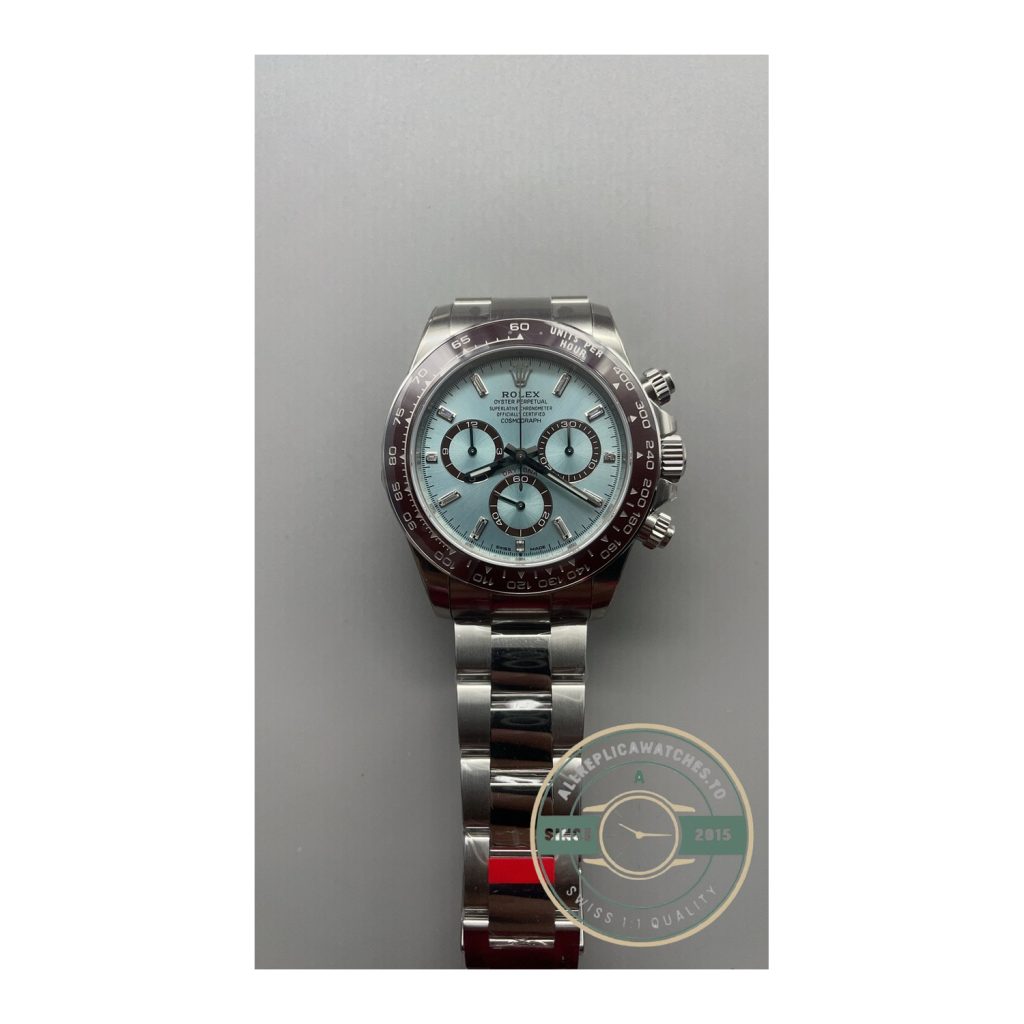
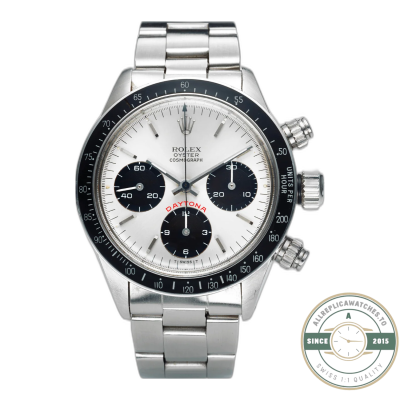
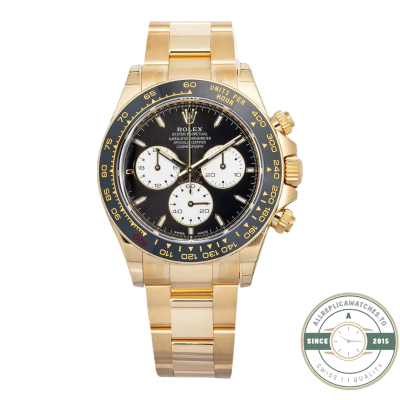
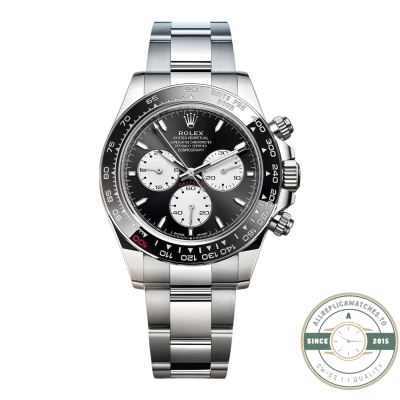
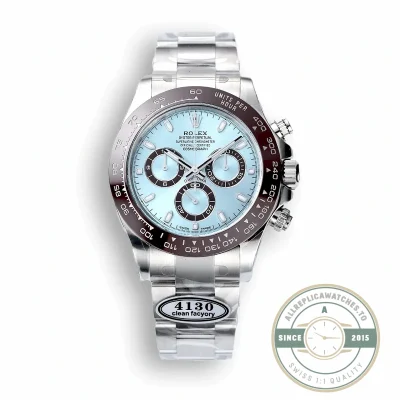
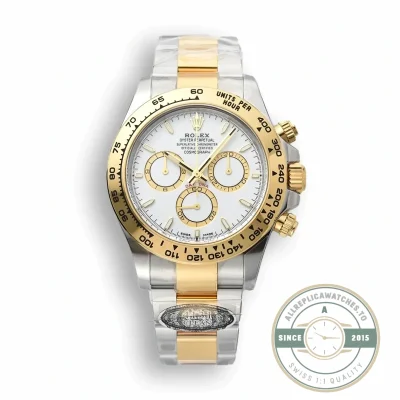
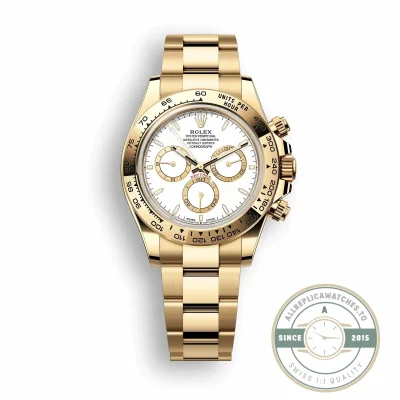
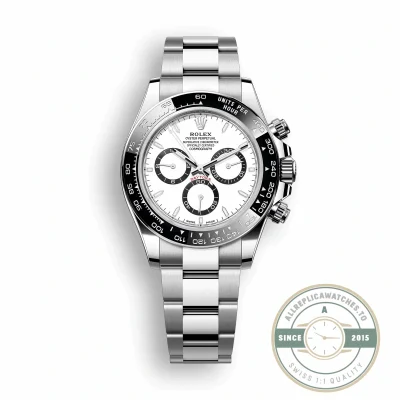
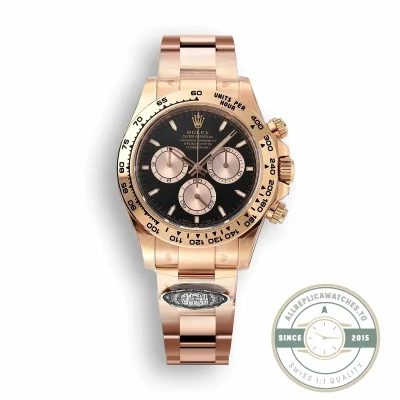
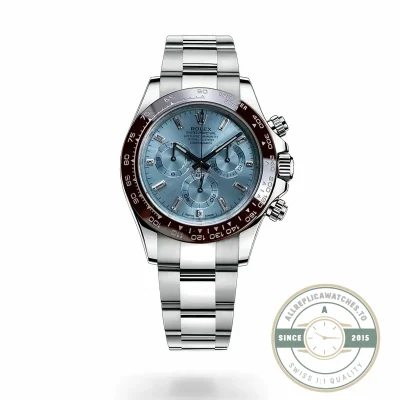
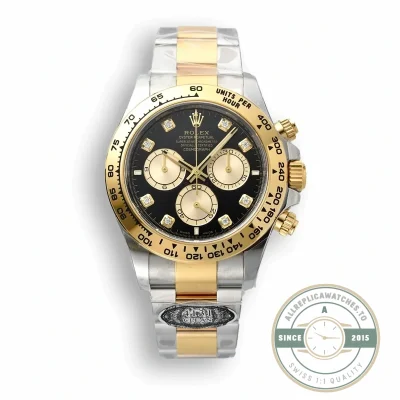
The Daytona is a different problem entirely, because a working chronograph needs a column wheel and three functioning subdials rather than a simple date. This is why it separates serious factories from pretenders. The flagship clone is the DD4130 (a Dandong clone of Rolex’s 4130), with the DD4131 being the newer variant that mirrors Rolex’s own move to the 4131. Both aim to reproduce the integrated chronograph architecture — the column wheel and vertical clutch — rather than bolting a chronograph module onto a base movement.
In practice, a good DD4130 gives crisp pusher engagement, a smooth running-seconds hand, and correctly resetting subdials. A weak Daytona replica uses a basic movement with a module, which feels mushy on the pushers and can reset imperfectly. The caveat worth stating: no independent teardown confirms the clone uses a fully integrated system rather than a dressed base chrono, so treat “integrated column wheel” as community consensus rather than proven fact. Either way, the Daytona is the one model where the movement, not the case, decides the tier. Browse the current range in the Daytona collection.

GMT and Annual-Calendar Clones
Two complications need their own calibers, and getting them right is non-negotiable. The GMT-Master II uses a 3285-type movement — cloned as the VR3285 or DD3285 — whose defining feature is an independently jumping hour hand. You set local time in one-hour steps without stopping the movement, while the 24-hour hand keeps home time on the bezel. A budget GMT replica often skips this entirely, using a movement where the GMT hand is fixed or can only be set together with the main hands. If you actually travel with the watch and use the second timezone, that difference is the whole point of the model. A flagship GMT-Master clone gets the independent jump right; a cheap one does not.
The Sky-Dweller is the harder case. Its genuine caliber 9001 is an annual calendar — the movement knows the length of every month except February, so the date only needs correcting once a year — paired with the Ring Command bezel that switches what the crown adjusts. Cloning an annual calendar convincingly sits at the very edge of what factories do, which is why Sky-Dweller clones cost more and vary more in quality than a simple three-hander. The check is simple: if the annual-calendar date logic and the Ring Command bezel both work cleanly, you are looking at a genuine flagship effort rather than a dressed-up base movement.
Clone Caliber vs Asian-Base Movement — How to Tell
This is the comparison that decides whether you are buying a super clone or a dressed-up replica. A dedicated clone caliber copies a specific Rolex movement; an Asian-base takes a generic workhorse and adds Rolex cosmetics. They can look identical in a dial-side photo, so you have to judge them by behaviour:
The fastest way to tell them apart without opening the case is the seconds sweep and the crown. A clone caliber sweeps smoothly and winds with a clean, defined feel; an Asian-base stutters six times a second and winds with a gritty, vague resistance. Neither is “bad” — an Asian-base serves a real purpose for someone testing whether a model suits their wrist before committing — but only one of them deserves the word “super clone,” and only one is worth a flagship price.
Power Reserve: Claims vs Reality
You will see power-reserve figures quoted everywhere — VS3235 “~70h,” Clean 4131 “~72h,” VR3235 “40–48h.” Here is the honest framing: these are vendor and community numbers, not independent lab results. The same VS3235 is quoted at anywhere from 65 to 72 hours depending on who is selling it, and real-world reserve depends on the individual movement, its state of wind and its service history. Genuine Rolex rates the 3235 at approximately 70 hours — so a flagship clone that targets ~70h is aiming at the right number, but you should treat any specific figure as a target rather than a guarantee.
What this means practically: the difference between a ~70-hour flagship and a ~45-hour value movement is real and useful — take the 70-hour watch off on Friday and it is still running Monday — but do not buy on a single quoted number. Buy on the balance type (free-sprung vs regulated) and the factory’s track record, which are far better predictors of how the watch behaves.
Which Clone Caliber Is in Which Watch
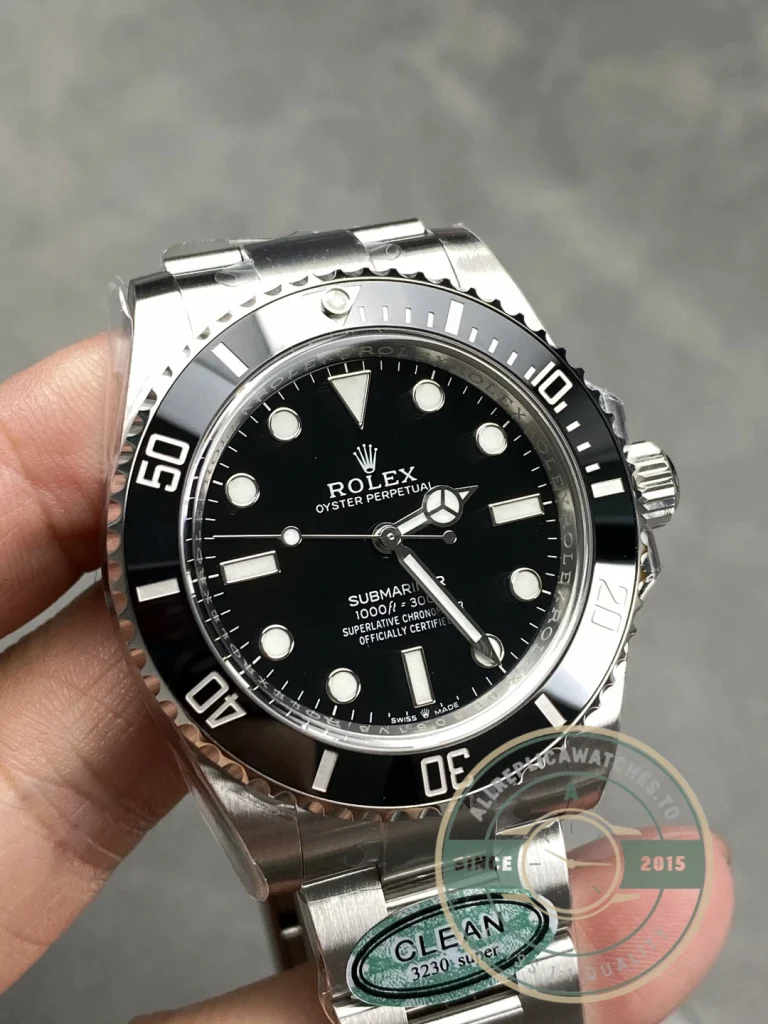
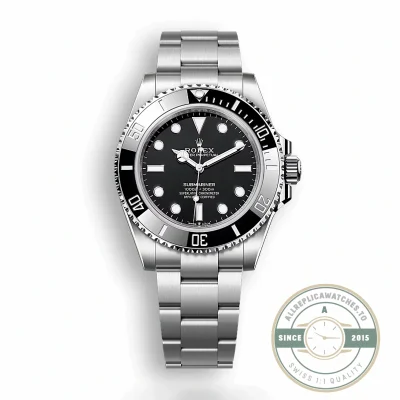
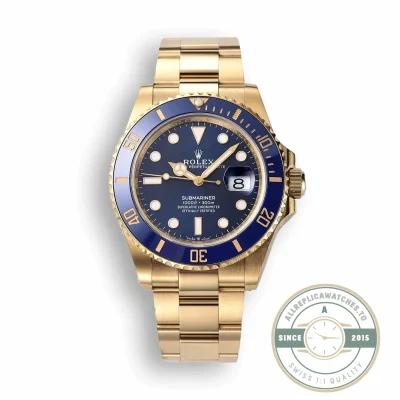
The caliber follows the model, exactly as it does on genuine Rolex. The three-hand-plus-date sports and classic pieces — the Submariner, the Datejust, the Sea-Dweller — carry a 3235-type clone, so this is where the VS3235 vs VR3235 choice applies. The GMT-Master II needs a 3285-type clone for its independent GMT hand, which is non-negotiable if you actually use the complication. The Daytona needs a 4130/4131 chronograph clone. And the time-only Oyster Perpetual and no-date Submariner use a 3230-type.
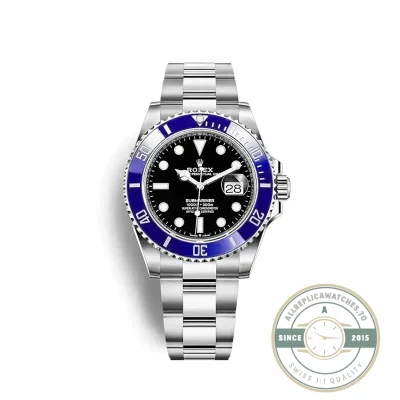
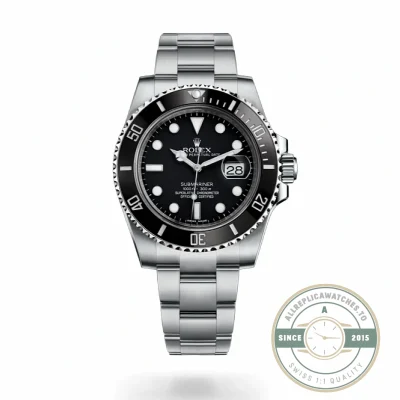
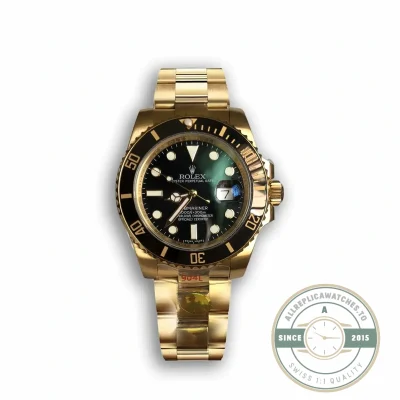
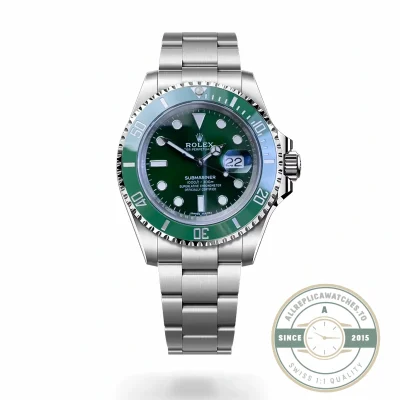
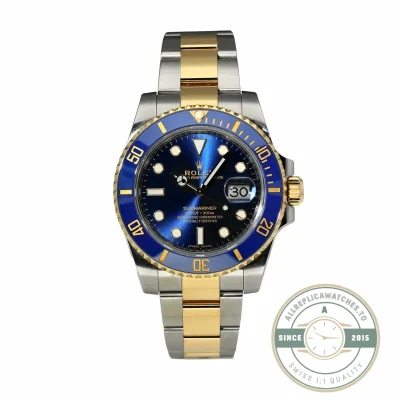
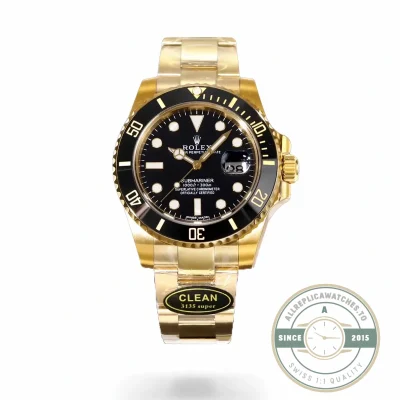
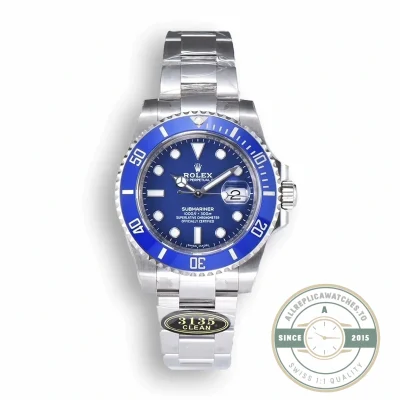
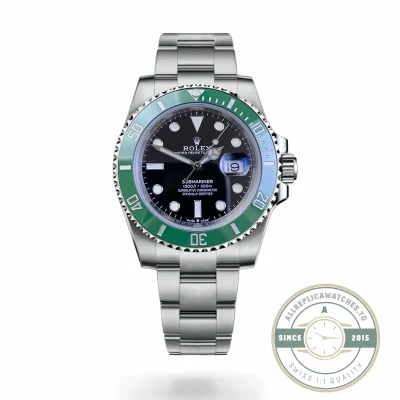
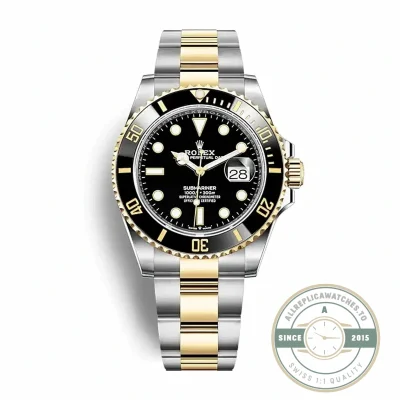
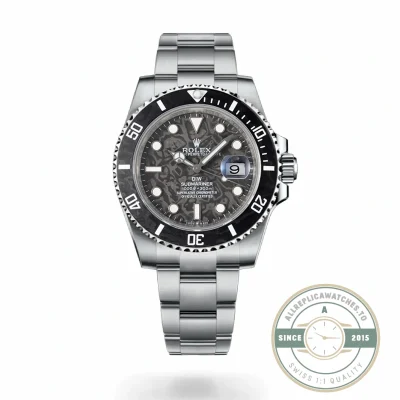
The one rule to carry away: match the caliber to the complication. A GMT with a basic movement where the GMT hand does not jump independently is a tier below what it claims, and a Daytona without a proper chronograph clone is just a pretty case. For the full picture of how movements, materials and factories fit together, read our Rolex super clone buyer’s guide.
Service, Magnetism and Longevity
A clone caliber is a real mechanical movement, and it rewards being treated like one. Like a genuine Rolex, it benefits from a service every few years — fresh lubrication, a clean and a re-regulation. The practical difference is who does it: a VR-type regulated movement can be serviced by almost any watchmaker who handles aftermarket automatics, because the parts are everywhere and the regulator is familiar. A free-sprung VS-type needs someone comfortable adjusting weights on the balance rim, so it is worth asking a watchmaker whether they have worked on free-sprung movements before you hand one over.
Magnetism is the one risk worth taking seriously. Because a clone uses a standard flat hairspring rather than Rolex’s antimagnetic Parachrom, it is a little more susceptible to magnetisation from the everyday sources that surround us — laptop speakers, phone cases, handbag clasps, tablet covers. A magnetised movement suddenly runs fast by minutes a day; the fix is a thirty-second pass with a cheap demagnetiser, but the habit of keeping the watch off magnets is cheaper still.
On longevity, the honest answer is that a well-made flagship clone can run reliably for years, but the figures people quote are anecdotal rather than lab-tested. Treat it as you would any mechanical watch: wind it gently, keep it dry beyond its rated resistance, avoid magnets, and service it when the seconds hand or the power reserve tells you something has drifted. Do that and a good clone caliber will long outlast the novelty of owning it.
How to Check Your Movement
Before any flagship purchase, ask for QC photos and, where possible, a timing reading. Three checks tell you most of what you need:
Frequently Asked Questions
What is a Rolex clone movement?
A mechanical caliber built to copy the internal architecture of a specific Rolex movement — the layout, the 28,800 bph beat rate and a comparable power reserve — rather than a generic movement dressed to look the part. It is not a genuine Rolex movement.
What is the difference between VS3235 and VR3235?
The VS3235 is free-sprung with a claimed ~70-hour reserve and a proven track record; the VR3235 uses a regulated balance with a shorter ~40–48h reserve but is more common and easier to service. The VS is the flagship choice, the VR the value choice.
Is the JH3235 real?
It is discussed on forums as a free-sprung 3235 from Shanghai Jinghe, but as of 2027 the maker, designation and specification are single-source and unconfirmed. Treat it as emerging, not proven, and do not pay a premium for it yet.
Can a clone movement take genuine Rolex parts?
Some sellers claim partial gen-part compatibility, but there is no independent confirmation, and the Parachrom hairspring specifically cannot be cloned or swapped. Assume a clone is serviced with clone parts.
What movement does a super clone Daytona use?
A flagship Daytona uses a DD4130 or the newer DD4131 — a clone of Rolex’s integrated chronograph caliber. A real chronograph clone gives crisp pushers and correct subdials; a module-based replica does not.
How long does a clone movement last?
A well-made flagship clone can run for years with normal care and occasional service. Longevity figures are anecdotal rather than lab-tested, so service it like any mechanical watch and keep it away from strong magnets.
Every flagship super clone we sell is built on a dedicated clone caliber — matched to the model, with QC photos on request.