Iced Out Rolex: Moissanite vs CZ, Bust Down & Prices
An iced out Rolex is a watch fully set with stones across the case, bezel and bracelet — and on a super clone, the single thing that decides whether it stays dazzling or turns cloudy in six months is the stone. Moissanite holds its fire for life; cheap cubic zirconia dulls. This guide covers the whole iced-out world: the stones and how they compare, factory-set versus bust down, setting quality, what an iced out super clone actually costs, and how to keep it looking new.
What Is an Iced Out Rolex?
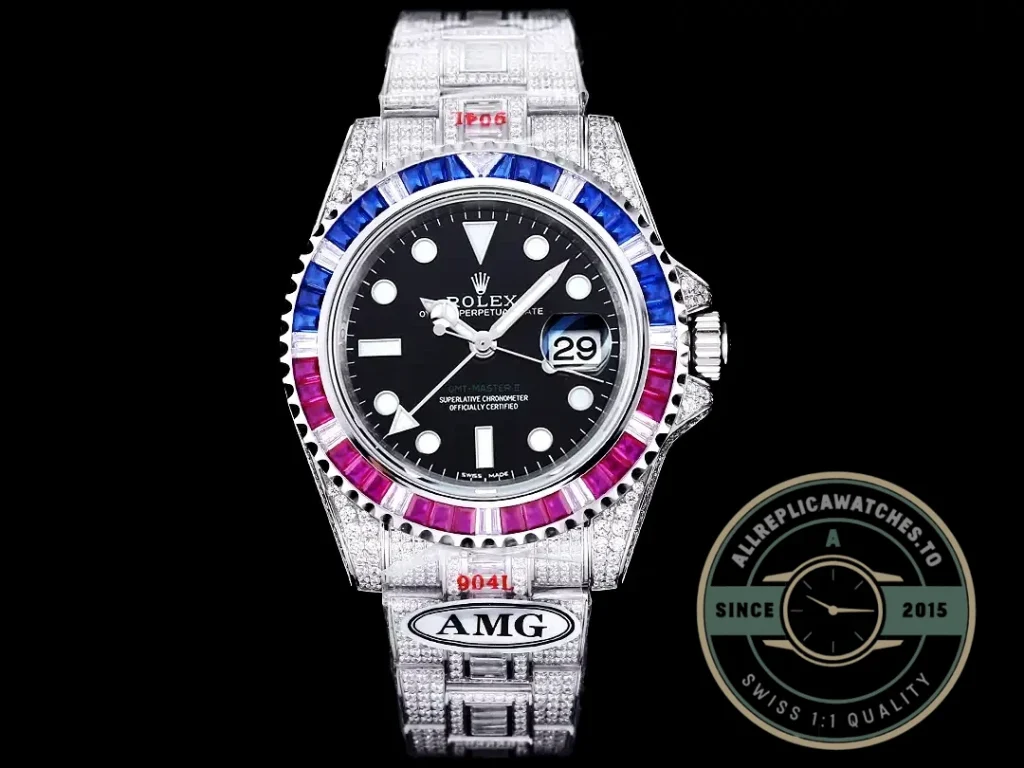
“Iced out” means a watch covered in stones — not just a diamond-set bezel, but the full case, lugs, bracelet and often the dial, so the whole watch reads as a block of light. On a genuine Rolex, that means mined diamonds and a price that climbs into six figures for a fully-set Day-Date or Daytona. On a super clone, it means the same visual effect built with lab-made stones — moissanite or cubic zirconia — for a tiny fraction of the cost.
There are two routes to an iced-out watch, and the difference matters for durability. A factory-set piece has its stones set during the build, into a case and bracelet engineered to hold them. A bust down is a standard watch taken to a jeweller afterward and set with stones aftermarket. Both exist in the super clone world; factory-set is cleaner and more consistent, which is why it is what we focus on. We will come back to that distinction in detail below.
Moissanite vs CZ vs Lab Diamond
This is the decision that makes or breaks an iced out watch. Three stones dominate, and they are genuinely different in how they look on day one and how they look a year later. Get this right and nothing else about the ice matters as much.
Moissanite is the sweet spot for an iced out super clone, and it is what the best builds use. At 9.25 on the Mohs scale it is second only to diamond in hardness, so it resists the scratches and abrasion of daily wear, and its refractive index is actually higher than diamond — which is why moissanite throws that distinctive rainbow fire. It does not cloud. Lab diamond is harder still and the most “correct” look, but it costs more and the visual difference on the wrist is subtle. Cubic zirconia is the budget stone: it sparkles on day one, but it is softer, picks up surface abrasion, and dulls or clouds within months. If a listing is suspiciously cheap, it is set with CZ — and you will see the difference by next season.
Factory-Set vs Bust Down
“Bust down” is the street term for a watch that has been taken apart and set with stones after the fact — originally a genuine watch sent to a jeweller, now often a replica given the same treatment. The look can be spectacular, but the method has real downsides: drilling and setting stones into a case that was not designed for it can weaken the metal, compromise water resistance, and leave uneven channels where stones sit at slightly different heights.
A factory-set iced out super clone avoids all of that. The case, lugs and bracelet links are manufactured to accept the stones from the start, so the settings sit flush and even, the metal keeps its integrity, and the whole piece looks intentional rather than modified. When you are comparing iced-out listings, this is the quality line that matters most after the choice of stone: a clean, even factory set versus a lumpy aftermarket bust down. Everything we list in the iced-out diamond collection is factory-set.
Setting Quality: What Separates a Good Ice Job
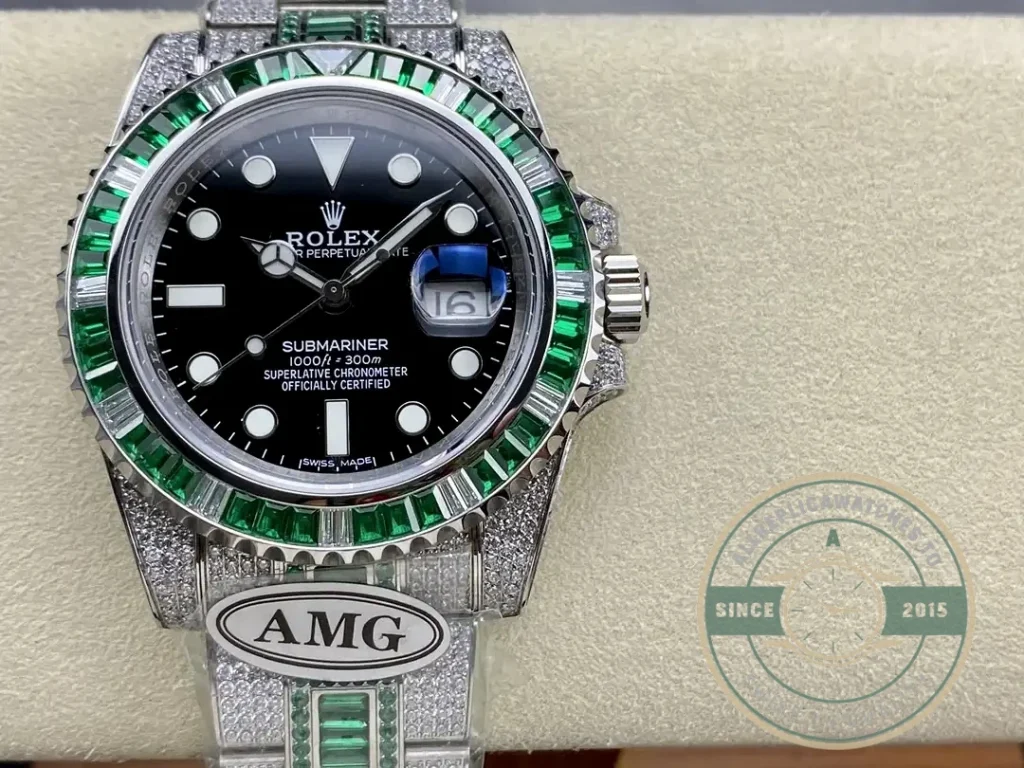
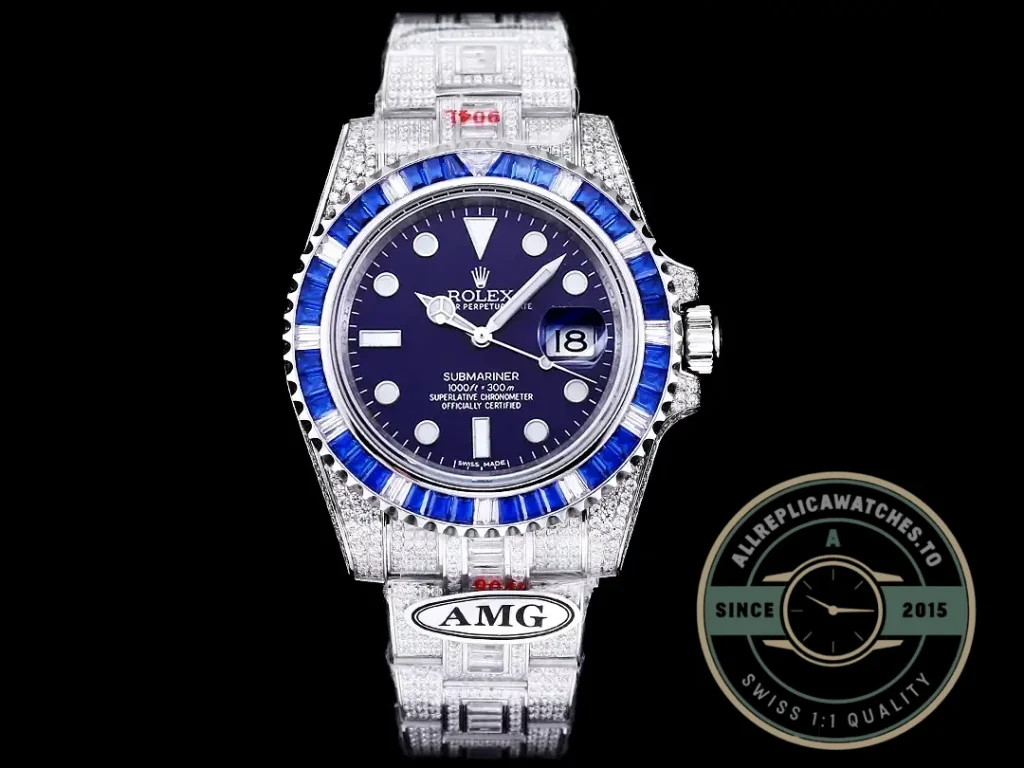
Once the stone is right, the setting is what separates a premium iced-out watch from a cheap one, and it is easy to judge from a good photo. Look first at consistency: every stone should sit at the same height, with no gaps and no tilted or missing stones. On a pavé case — the dense carpet of small round stones — the rows should be tight and even, with minimal metal showing between them. On a baguette bezel, the long rectangular stones should line up flush, edge to edge, with no light leaking between them.
The second thing to check is the metal around the stones. On a quality set, the prongs or beads holding each stone are small, neat and uniform; on a poor one they are chunky and uneven, and the stones look like they were pressed in rather than set. A good factory ice job has a clean, jewellery-grade finish; a bad one looks busy and rough under magnification. This is exactly the kind of detail worth asking for in QC photos before an iced-out order ships.
Baguette Bezels and Colour
The biggest shift in iced-out style over the last few years is colour. A plain all-white diamond bezel is timeless, but the pieces turning heads now use coloured baguette stones — long rectangular cuts that ring the bezel edge to edge. On a super clone these are lab-created coloured stones rather than mined gems, which is exactly what keeps the price sane while the look stays loud.
The popular combinations play off the dial. A blue baguette bezel over a blue-dial Submariner reads like a sapphire-set diver; a green baguette on a black dial nods to the emerald look; a Pepsi baguette on a GMT-Master keeps the red-and-blue identity while icing it completely. The loudest of all is the rainbow bezel, where the baguettes graduate through the spectrum around the dial — the single most recognisable flex in the iced-out world. Whatever the colour, judge it the same way: the tone should be even from stone to stone with no dull or mismatched pieces, and the baguettes should sit perfectly flush with no light leaking between them. An uneven coloured bezel is the fastest way a cheap ice job gives itself away.
Iced Dials and Diamond Markers
Icing is not only the case and bezel — the dial is where taste shows, and there are three levels. The most restrained is diamond hour markers, where stones replace the baton or dot indices while the dial itself stays clean. The boldest is a fully pavé dial, where the entire face is a carpet of small stones. In between sits the combination — a coloured dial with diamond markers — which many buyers find the most wearable.
On a super clone, judge the dial the way you judge the case: diamond markers should be evenly sized and set flush, and a pavé dial should have even coverage with the handset, logo and date window cut cleanly into it so the watch stays legible. The honest trade-off with a full pavé dial is exactly that legibility — all that sparkle can wash the hands out in bright light — which is why many of the best-looking iced pieces keep a black or coloured dial and let the case and bezel carry the ice.
Best Iced Out Rolex Models
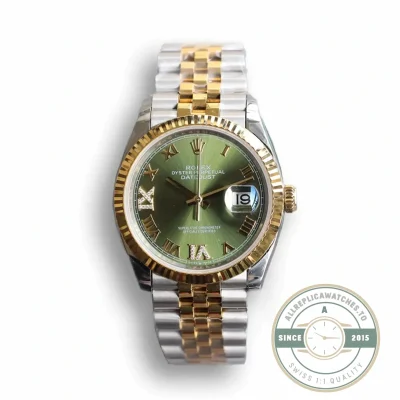
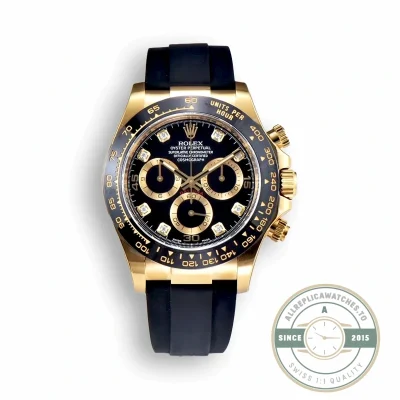
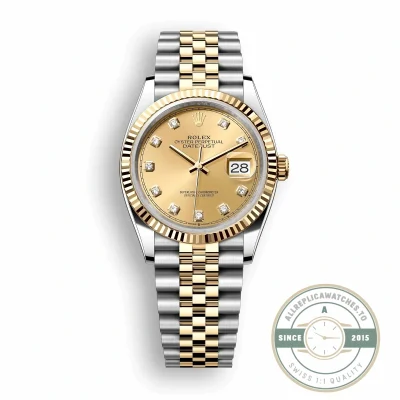
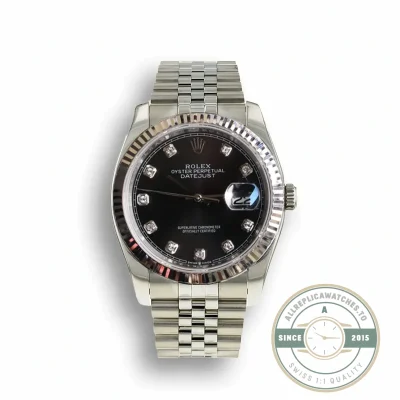
Some models wear the ice better than others. The Day-Date President is the classic iced-out Rolex — the gold case and President bracelet were made for it, and a fully-set Day-Date on a champagne or black dial is the definitive flex. The Datejust is the most versatile, carrying a modest diamond bezel or a full ice job with equal ease, and it is the easiest iced piece to wear day to day. Among the sports models, the GMT-Master II and Submariner take coloured baguette bezels — blue, green, Pepsi — that turn an already-iconic watch into a statement, while keeping the dial clean for legibility. The Daytona is the ultimate iced chronograph, and a Rainbow-style Daytona is the loudest piece in the catalogue. If you want maximum impact, go gold and fully set; if you want something you can wear to the office, a diamond-bezel Datejust is the move. Browse the full iced-out range below, or see the diamond watches collection.
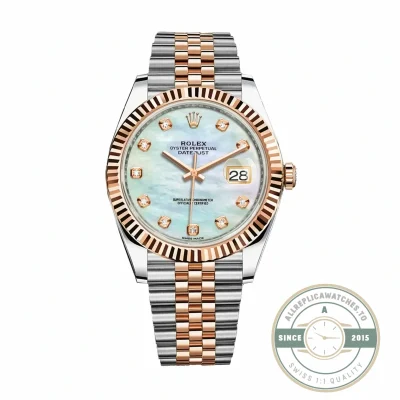
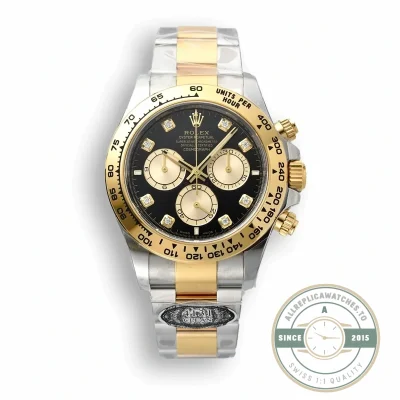
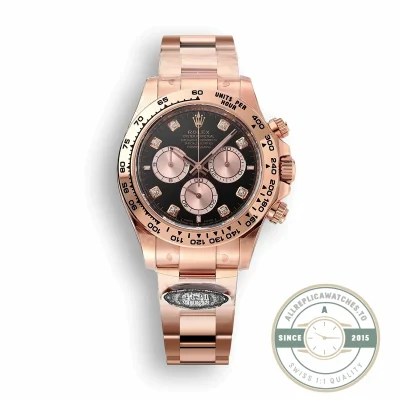
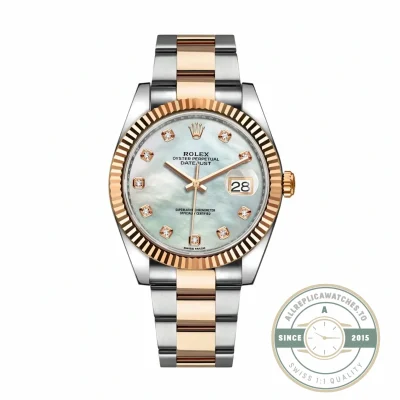
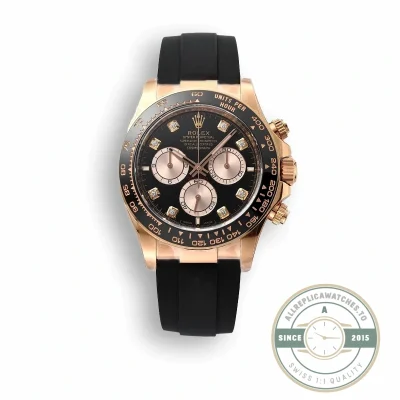
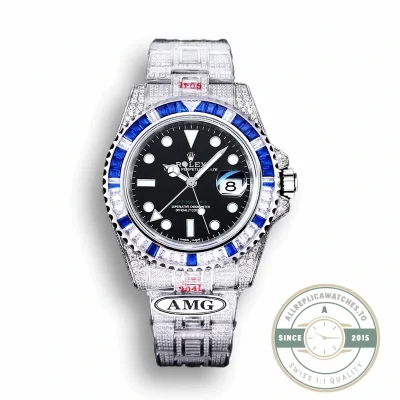
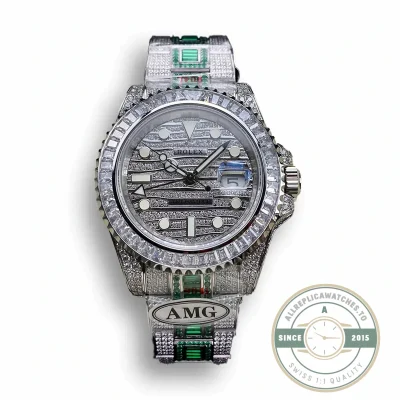
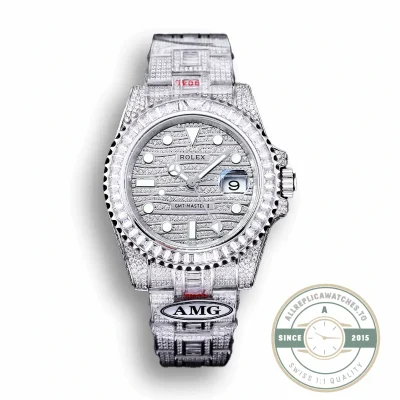
How Much Does an Iced Out Super Clone Cost?
An iced out super clone costs a fraction of a genuine diamond Rolex — where the real thing runs well into five or six figures, a factory-set clone sits in the low thousands. Price tracks the stone and the amount of coverage:
If you see a “fully iced out Rolex” for a couple of hundred dollars, it is CZ on a cheap base — it will look the part in the listing photo and dull within a season. The moissanite, factory-set tier is where the value actually sits.
Iced Super Clone vs a Genuine Diamond Rolex
It is worth being clear about exactly what you trade. A genuine iced Rolex — a factory diamond Day-Date or a Rainbow Daytona — is a six-figure object set with mined diamonds and backed by Rolex’s name and resale value. An iced super clone delivers the same visual impact for roughly one percent of the price, using lab stones on a clone base.
The honest summary: you give up mined-diamond provenance and any resale value, and you gain the freedom to wear something spectacular every day without a five-figure insurance policy or the fear of losing it. For a piece whose entire job is to be seen, most buyers find that trade an easy one.
Water Resistance & Daily Wear
Be realistic about water with any iced-out watch. Setting stones across a case means more seams and more potential entry points than a plain build, so we rate our iced-out pieces conservatively — treat them as carrying around 30m of water resistance: perfectly fine for daily wear, rain and hand-washing, but not for swimming or diving. That is true of iced watches generally, genuine ones included, where owners keep a fully-set piece well away from the pool regardless of its base rating.
For everyday wear, an iced out super clone is tougher than people expect — moissanite’s hardness means the stones shrug off the knocks of normal life — but it is still a dress-flex piece, not a tool watch. Wear it to be seen, not to the gym.
Caring for an Iced Out Rolex
The thing that dulls an iced-out watch fastest is not scratched stones — it is grime. Skin oil, lotion, dust and soap film build up behind the stones and kill the sparkle long before any stone wears. The fix is simple: every few weeks, a soft toothbrush, warm water and a drop of dish soap, brushed gently over the stones and rinsed, brings the fire straight back. Dry it fully with a soft cloth or air, paying attention to the gaps between stones where water hides.
Beyond cleaning, the rules are the ones that apply to any fine watch: keep it off hard surfaces, store it away from other jewellery that can knock the stones, and keep it away from magnets to protect the clone movement inside. Do that and a moissanite iced-out super clone looks as sharp in two years as it did the day it arrived. For the full picture of what is inside these watches, read our Rolex super clone guide and our clone movement guide.
Common Iced-Out Mistakes to Avoid
Most disappointing iced-out purchases come down to the same handful of errors. Avoid these and you will be happy with what arrives:
Frequently Asked Questions
What stones are used on an iced out super clone?
The best builds use moissanite — hardness 9.25, high rainbow fire, and it does not cloud. Cheaper ones use cubic zirconia, which is softer and dulls within months. Some premium pieces use lab diamond.
Is moissanite better than CZ for an iced out watch?
Yes, clearly. Moissanite is harder, sparkles more, and keeps its brilliance for life, where CZ clouds and dulls with wear. For a watch you will actually wear, moissanite is worth the difference.
What is a bust down Rolex?
A bust down is a watch set with stones aftermarket, rather than during manufacture. The look can be great, but aftermarket setting can weaken the case and hurt water resistance. A factory-set iced-out clone is cleaner and more durable.
How much does an iced out Rolex super clone cost?
A fully iced, moissanite, factory-set super clone typically runs about $1,100–1,300; a diamond-bezel-only piece less, a fully-iced gold Day-Date more. Genuine iced Rolex costs five to six figures.
Can you wear an iced out super clone every day?
Yes. Moissanite is hard enough to handle daily wear, and the watch runs a real clone movement inside. Just treat it as a dress-flex piece — fine for rain and hand-washing, not for swimming.
Will the stones fall out?
On a quality factory-set piece, settings are even and secure. Avoid hard knocks, store it away from other jewellery, and have a loose stone re-set promptly if one ever works loose, exactly as you would with real jewellery.
Browse factory-set, moissanite iced-out Rolex super clones — Day-Date, Datejust, GMT, Submariner and Daytona.