Rolex Submariner vs AP Royal Oak vs Patek Nautilus — Which Replica Icon Should You Buy First?
Last updated: March 2026 • 22-minute read • Based on side-by-side comparison of all three
Three watches defined luxury sports watchmaking. The Rolex Submariner created the category. The Audemars Piguet Royal Oak reinvented it. The Patek Philippe Nautilus elevated it to pure status symbol. Now, all three exist as high-quality super clones — and the question every buyer asks is the same: which one should I get first? I’ve worn all three back to back for months, examined dozens of QC sets, and tracked factory output across Clean, ZF, and 3KF. This comparison covers build quality, factory accuracy, movement reliability, wrist presence, and which replica actually delivers the most authentic ownership experience.
Table of Contents
- 01 Three Icons, One Decision
- 02 Head-to-Head Specifications
- 03 Case & Materials Breakdown
- 04 Movements — Clone vs Clone vs Clone
- 05 Dial & Finishing Quality
- 06 Bracelet & Clasp Comparison
- 07 Wrist Presence & Daily Wear
- 08 Best Factory for Each Watch
- 09 QC Tells — What to Watch For
- 10 Longevity & Service Life
- 11 Which One Should You Buy First?
- 12 The Individual Selection Process
- 13 FAQ — 20 Collector Questions Answered
Three Icons, One Decision
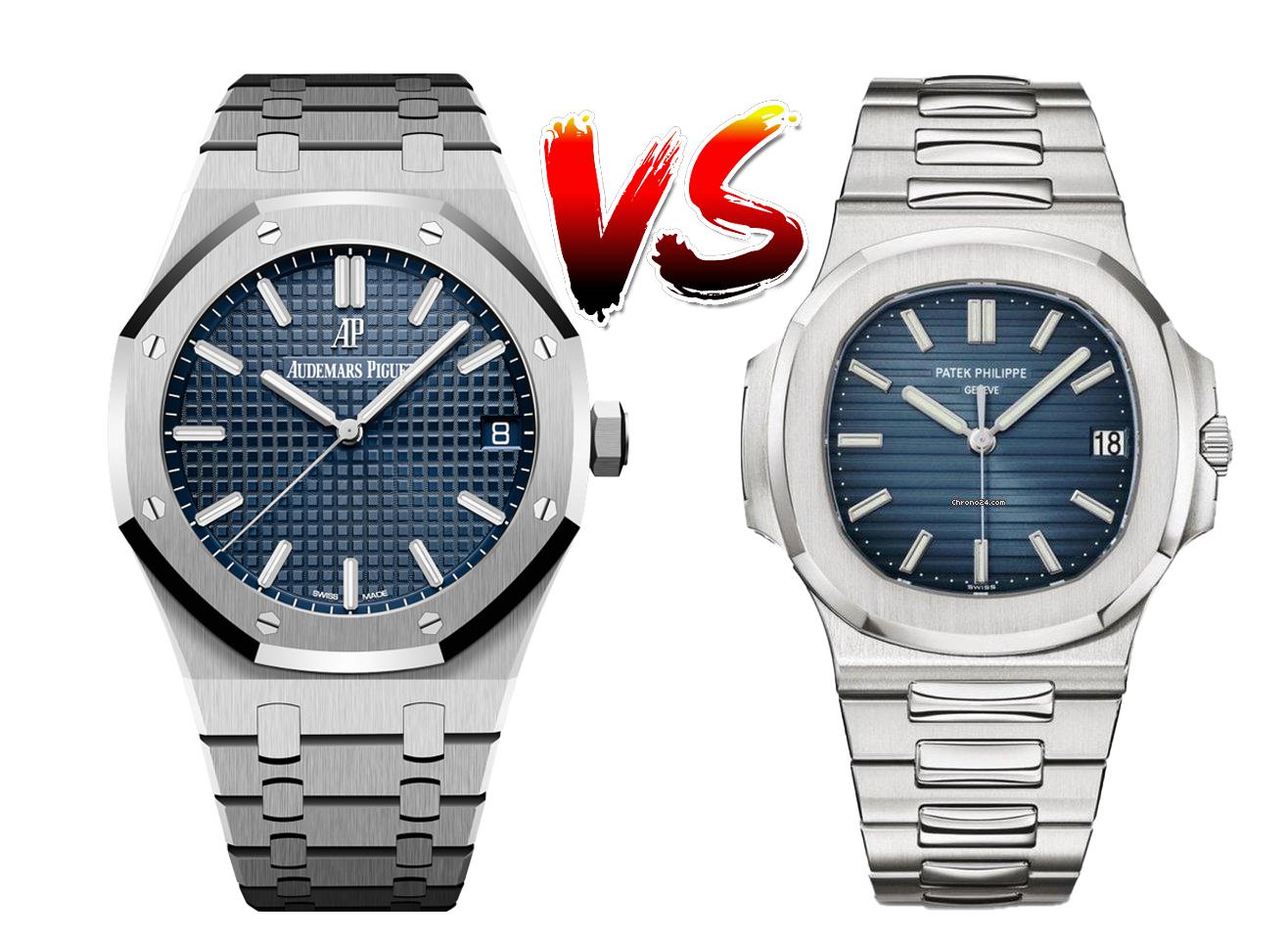
Walk into any watch discussion — online or at a bar — and eventually someone brings up the holy trinity of sports luxury. Submariner. Royal Oak. Nautilus. These three watches have shaped how people think about high-end timepieces for decades, and they remain the most requested models in the replica world for good reason.
The Submariner has been around since 1953. It created the modern dive watch template that every manufacturer still copies. The Royal Oak landed in 1972 when Gerald Genta sketched it on a napkin the night before Baselworld, and turned stainless steel from a budget material into something people would pay five figures for. The Nautilus followed in 1976 — Genta again — taking the same “luxury steel sports watch” concept and making it sleeker, thinner, more understated.
Today, all three exist as super clones with accuracy levels that were unimaginable even five years ago. Clean Factory’s Submariner uses 904L steel and a clone 3235 movement. ZF’s Royal Oak has the octagonal bezel screws positioned with industrial precision. 3KF’s Nautilus replicates that distinctive horizontal embossing on the dial that Patek calls their “waves.” The question is never whether these replicas are good — they are. The question is which one belongs on your wrist.
I’ve owned all three simultaneously for the better part of a year. Rotated them daily. Took them swimming, to meetings, through airport security. What follows is not theory — it’s field data from someone who has actually lived with these watches and measured them against the genuine articles sitting in boutique display cases.
Head-to-Head Specifications
Before we get into subjective impressions, here are the raw numbers. These matter because in the replica world, dimensional accuracy separates a credible piece from an obvious fake. Genuine owners know these specs intuitively — the 40mm Submariner case, the 41mm Royal Oak, the slim 8.3mm Nautilus profile. If your replica gets these wrong, nothing else saves it.
Key Insight: The Submariner wins on raw accuracy percentage because Clean Factory has been perfecting this model for over eight years. The Royal Oak and Nautilus are harder to replicate due to their integrated bracelet designs and finishing requirements — but that gap narrows every year.
These numbers tell a clear story. The Submariner is the most accurately replicated sports watch in existence — Clean Factory has invested more R&D into this single reference than most factories invest across their entire catalog. The Royal Oak sits slightly behind because of the extreme precision required in the octagonal bezel, but ZF’s recent batches have closed the gap significantly. The Nautilus remains the hardest to perfect because of that incredibly thin 8.3mm profile — any clone movement that adds even 0.3mm to the thickness changes how the watch sits on the wrist.
Case & Materials Breakdown
Pick up a genuine Submariner and a genuine Royal Oak. They feel different in ways that go beyond design — the steel itself has a different character. Rolex uses 904L Oystersteel, which has a slightly warmer tone and higher corrosion resistance compared to the 316L that AP and Patek use. This matters in the replica world because Clean Factory actually uses 904L in their Submariner builds, while most AP and PP replicas use 316L — matching genuine exactly.
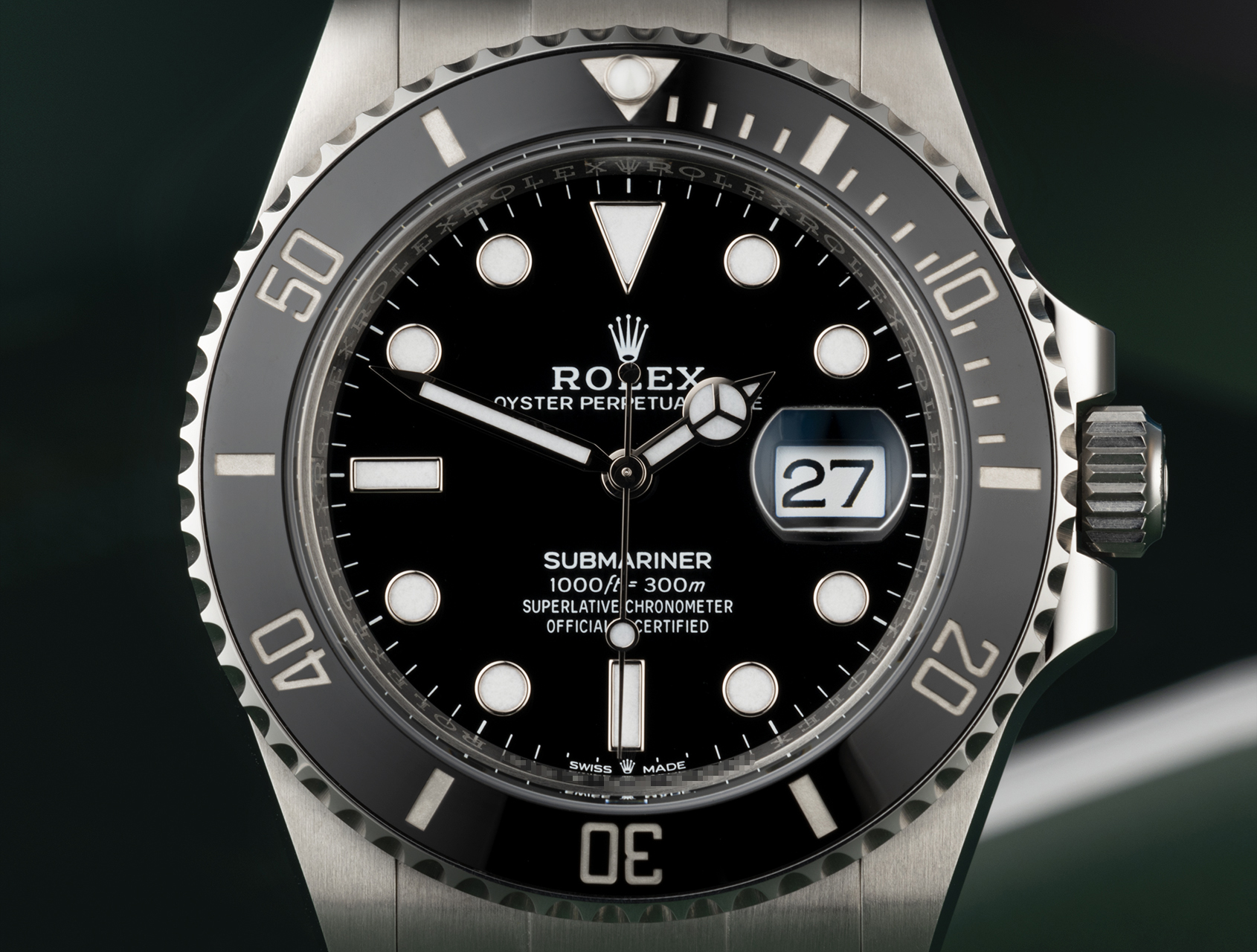
The Submariner case is the most conventional of the three. Oyster case, screw-down crown, rotating bezel — every dive watch since has borrowed this DNA. Clean Factory nails the case shape with CNC machining that produces chamfers indistinguishable from genuine under normal inspection. The Cerachrom ceramic bezel insert has correct platinum-filled numerals that catch light the same way. Where earlier versions had slightly wrong font spacing on the bezel numbers, current V6 production corrected this entirely.
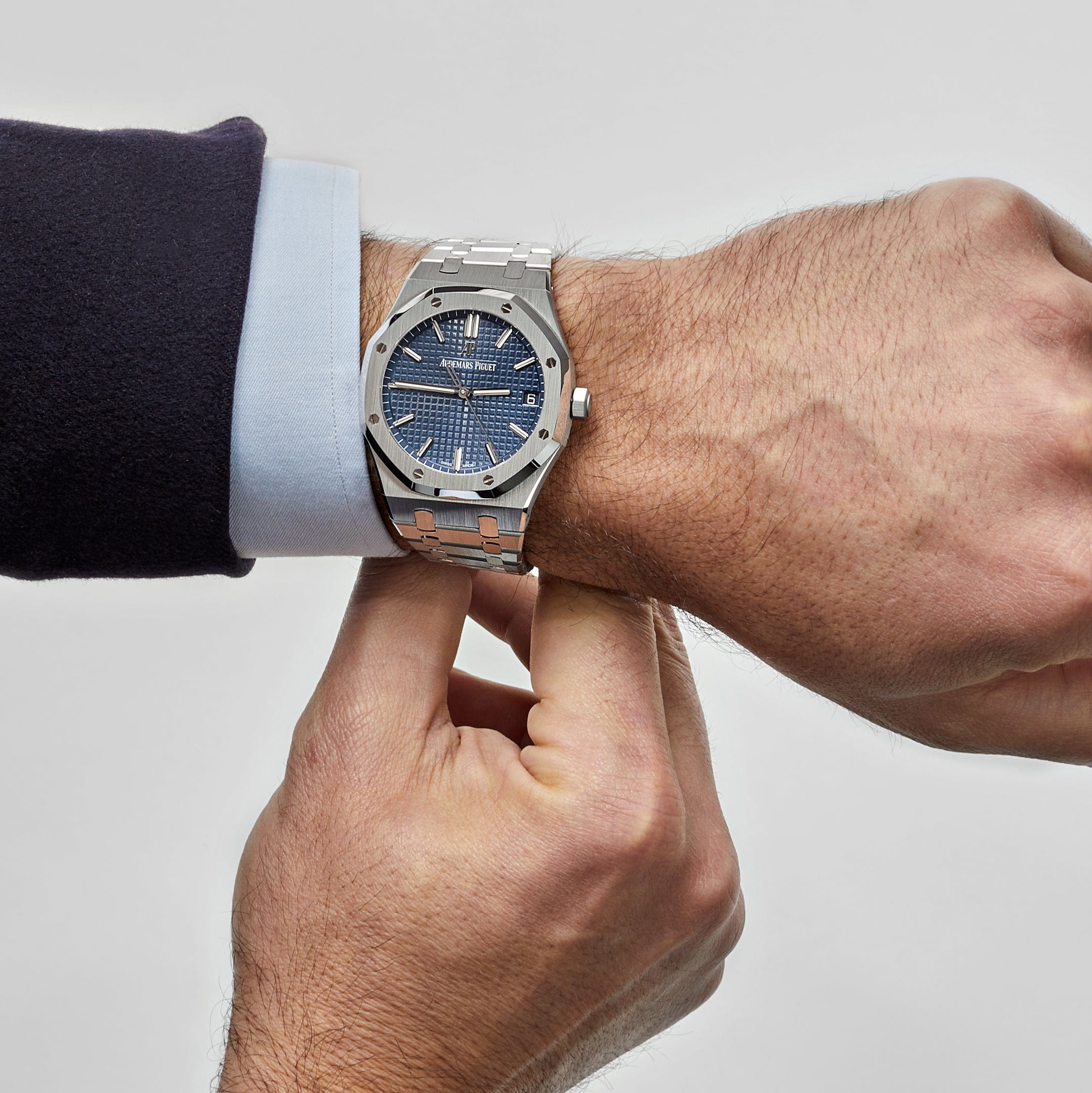
The Royal Oak case is another animal entirely. That octagonal bezel with eight hexagonal screws — each one polished on top, brushed on the sides — requires manufacturing precision that pushes factory capabilities to their limit. The genuine AP bezel has alternating brushed and polished surfaces that create what collectors call the “shimmer effect” when you rotate the watch. ZF’s version reproduces this effect convincingly. Their screws sit flush, the gasket visible behind the sapphire display caseback uses the correct shade of dark grey, and the case thickness at 10.4mm matches genuine within 0.1mm.
The Nautilus presents the biggest challenge. At 8.3mm thick, this is an absurdly slim watch for an automatic with a date complication. The genuine achieves this through Patek’s ultra-thin Cal. 26-330 movement. 3KF’s replica uses a clone 324 that manages to stay close to this profile — their case measures 8.5-8.6mm, which is the best any factory has achieved. PPF’s version runs about 8.7mm. The difference of 0.2-0.3mm sounds negligible, but on a watch this thin, it changes the silhouette noticeably when viewed from the side.
The Nautilus also has those distinctive “ears” — the fold-over extensions on the case sides where the bracelet integrates. Genuine Patek machines these from a single piece of steel. 3KF follows this approach, and the result is seamless integration between case and bracelet that earlier factories like PPF struggled with. Hold a 3KF Nautilus from the side and the transition from case to bracelet flows without any visible joint line.
A note on display casebacks: the Royal Oak and Nautilus show their movements through sapphire. This is both a blessing and a challenge. ZF decorates their AP movement with Cotes de Geneve and perlage that looks correct at arm’s length. 3KF’s Nautilus movement displays a clone 324 with the correct Gyromax balance wheel design visible through the back. Neither will fool a watchmaker with a loupe, but both create the right visual impression when you flip the watch over.
Movements — Clone vs Clone vs Clone
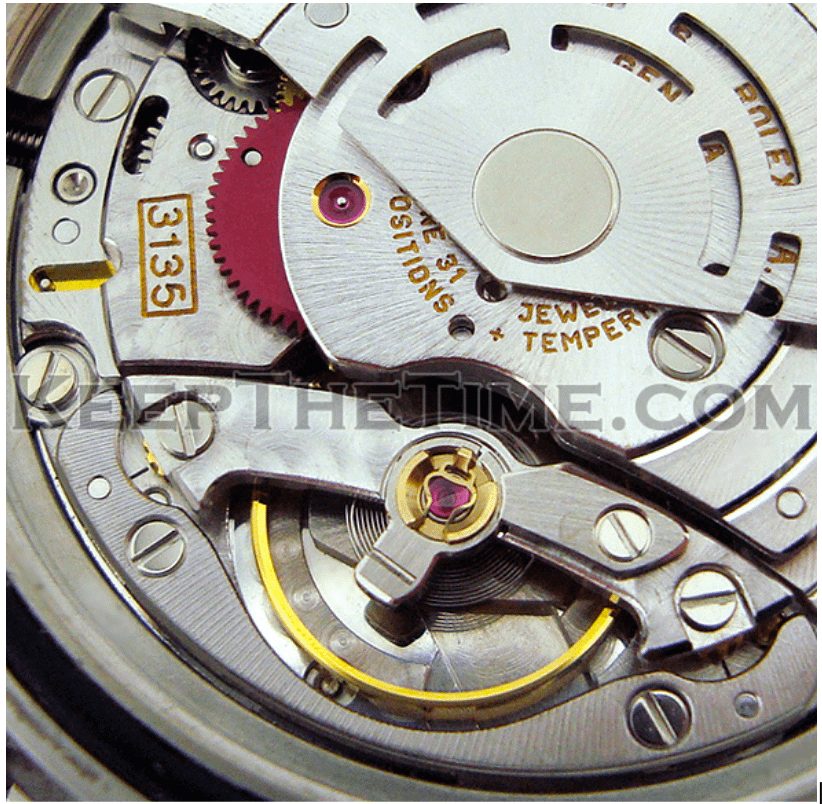
This is where the real engineering differences live. Forget how the watch looks for a minute — what’s ticking inside determines whether you’ll still be wearing it in three years or whether it becomes an expensive paperweight.
Clean Factory’s VR3235 is the most mature clone movement in this comparison. It’s been through multiple revisions since the original VR3135, each one fixing issues identified by dealers and end users. The current version runs at 28,800 bph (correct for genuine), delivers approximately 68-70 hours of power reserve, and hacks and hand-winds with a smooth feel that would pass blind comparison with genuine. The date change is crisp — snaps over cleanly at midnight rather than the gradual creep you see in cheaper clones. Independent watchmakers have confirmed that certain VR3235 parts are interchangeable with genuine Rolex 3235 components, which means long-term serviceability is the best of any clone.
ZF’s Royal Oak uses a modified Miyota 9015 as its base. This sounds less impressive than a “clone caliber” but there’s a strong argument it’s actually a smarter approach. The Miyota 9015 is a proven Japanese automatic — reliable, accurate (typically ±10 seconds/day out of the box, regulatable to ±5), and easy to service because parts are abundant and cheap. ZF adds a custom rotor and modifies the date mechanism to match the genuine Cal. 4302’s quick-set behavior. The tradeoff: power reserve is about 42 hours versus the genuine’s 60, and the beat rate is correct at 28,800 bph but the winding sound is slightly different — a bit more mechanical than genuine AP.
3KF’s clone 324 is the most ambitious of the three. This movement attempts to replicate Patek Philippe’s ultra-thin caliber at scale. It mostly succeeds — the rotor design with its 21K gold weight is visually correct, the Gyromax balance wheel oscillates at the proper 28,800 bph, and the movement sits thin enough to maintain the Nautilus’s slim profile. The risk factor is also highest here. Clone 324 movements have improved dramatically since early versions that had mainspring issues, but they remain the most complex and therefore most failure-prone of these three options. Service requires a specialist who knows this specific clone.
Practical Tip: If long-term reliability is your top priority, the Submariner with VR3235 is the safest choice. If something goes wrong — and mechanical watches occasionally do — any competent independent watchmaker can service or replace the movement. The Miyota-based Royal Oak is nearly as good in this regard. The Nautilus’s clone 324 is beautiful but requires finding someone who specifically knows this caliber.
Dial & Finishing Quality
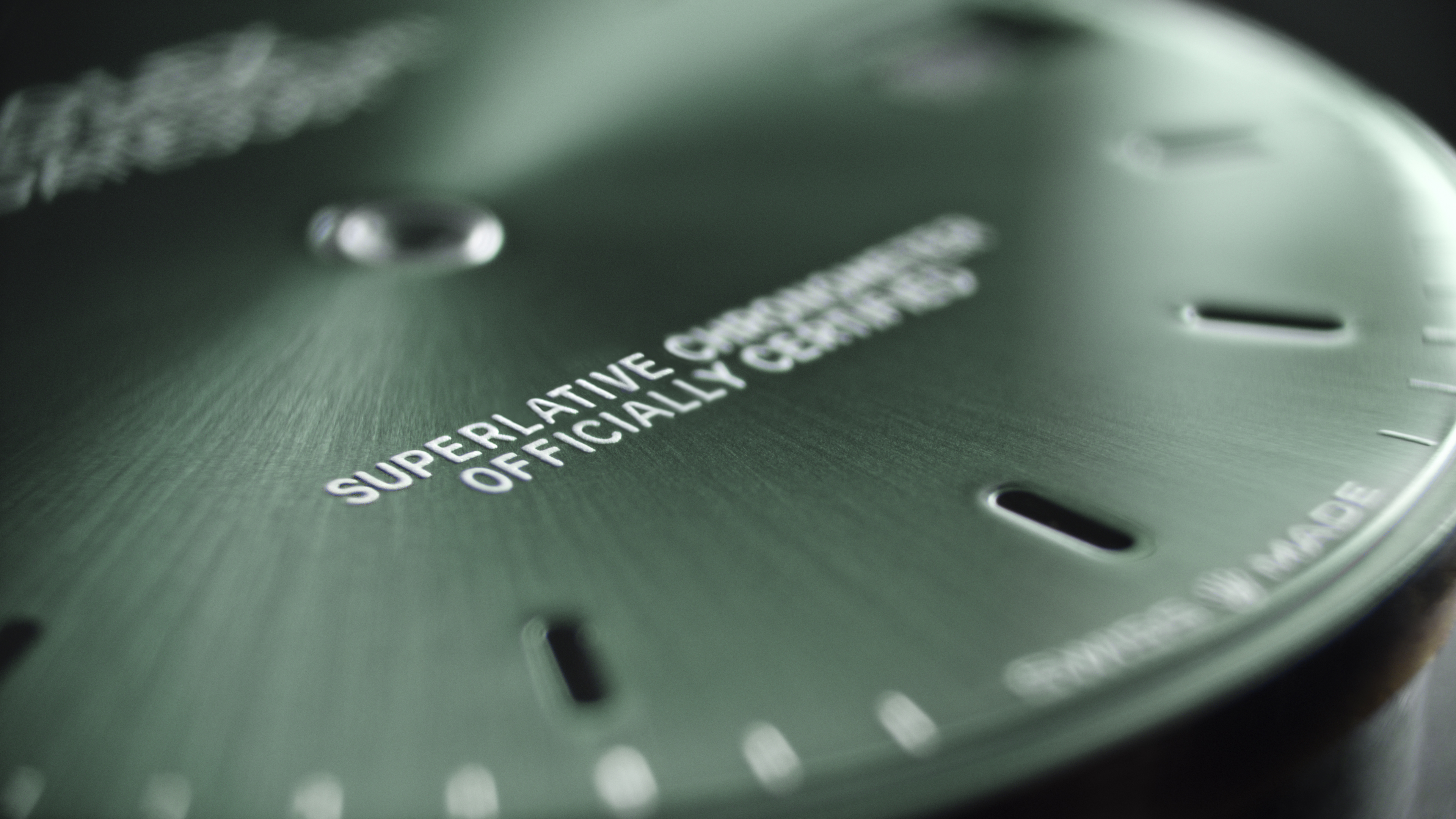
The dial is what you stare at fifty times a day. It’s where your eye goes first, and it’s where most people would spot differences between genuine and replica if differences exist. Each of these three watches has a signature dial treatment that the factories need to replicate — and the difficulty level varies dramatically.
The Submariner dial is deceptively simple. Black lacquer, applied indices with white gold surrounds on genuine (stainless with plating on replica), Chromalight lume plots with that characteristic blue-green glow. Clean Factory gets this right with minimal tells. The printing quality — “SUBMARINER” text, the depth rating, the crown logo at 12 — is sharp under magnification. The indices are correctly dimensioned and sit at proper heights above the dial surface. The date wheel has the right font with clean edges. Under normal wear conditions, Clean’s Submariner dial is indistinguishable from genuine.
The Royal Oak dial is where things get interesting. AP’s “Grande Tapisserie” pattern — that grid of small squares with embossed borders — is one of the most recognizable textures in watchmaking. Getting this right means not just having the pattern, but having the correct depth, the correct angle of the checkered elements, and the correct play of light across the surface. ZF’s current production achieves about 95% accuracy on the tapisserie. Hold it next to genuine under direct light and you’ll see the replica’s pattern is marginally shallower — the shadows between squares aren’t quite as deep. Under any normal viewing conditions, though, it’s convincing. The applied AP logo, the date window, the baton indices — all correct in dimension and finishing.
The Nautilus dial has that horizontal embossing that Patek calls “waves.” It’s less textured than the Royal Oak’s tapisserie — more subtle, like very fine corduroy running horizontally. 3KF replicates this pattern with impressive accuracy. The gradient on the blue dial — darker at the edges, lighter in the center — matches genuine within a shade. Under certain lighting angles, the genuine has a slightly more “alive” quality to the wave pattern, but this is the kind of difference only someone holding both watches simultaneously would catch. The date window at 3 o’clock is cleanly cut with the correct frame thickness.
Verdict on Dials: If you judge these three purely on dial accuracy relative to their genuine counterparts, the Submariner wins — it’s the most faithful reproduction. But the Royal Oak’s tapisserie and the Nautilus’s waves are more visually impressive dials in absolute terms. You trade some accuracy for more character.
Bracelet & Clasp Comparison

A beautiful watch on a mediocre bracelet is a waste. You feel the bracelet every second you’re wearing the watch — the way links articulate, how the clasp engages, whether there’s lateral play between the links. This is where physical experience with the watch matters more than photos.
The Submariner’s Oyster bracelet is the industry standard — three-link design with brushed center links and polished outer links. Clean Factory’s version has improved dramatically. Current production uses properly milled solid end links (SELs) that slide into the case with minimal gap. The Glidelock clasp extension system works smoothly, allowing micro-adjustments in 2mm increments — identical functionality to genuine. Lateral link play is minimal. The bracelet drapes well on the wrist with that satisfying weight distribution Rolex owners expect. One criticism: the polished center link on the Submariner’s clasp occasionally shows machining marks under magnification that genuine wouldn’t have. Minor, but worth noting.
The Royal Oak’s integrated bracelet is integral to the design — literally. There’s no separation between case and bracelet; it’s one continuous visual line from 12 o’clock to 6 o’clock. ZF machines their bracelet links with alternating brushed and polished surfaces that mirror the bezel’s treatment. The articulation between links is good — not quite as fluid as genuine AP, which has slightly more lateral flex — but comfortable for daily wear. The butterfly clasp has push-button release and folds flat against the wrist. Where ZF could improve: the transition from the last link to the clasp could be tighter. On some units, there’s a slight gap visible from certain angles.
The Nautilus bracelet might be the most comfortable of all three, simply because it’s the thinnest and lightest. 3KF’s version uses properly shaped links with horizontal satin brushing that catches light correctly. The fold-over clasp is well-machined with the Nautilus emblem on the cover. The bracelet tapers from about 19mm at the case to roughly 16mm at the clasp — a detail some factories get wrong but 3KF handles correctly. The comfort factor of this bracelet on a hot day, when heavier watches start to feel like an anchor, is significant.
Wrist Presence & Daily Wear
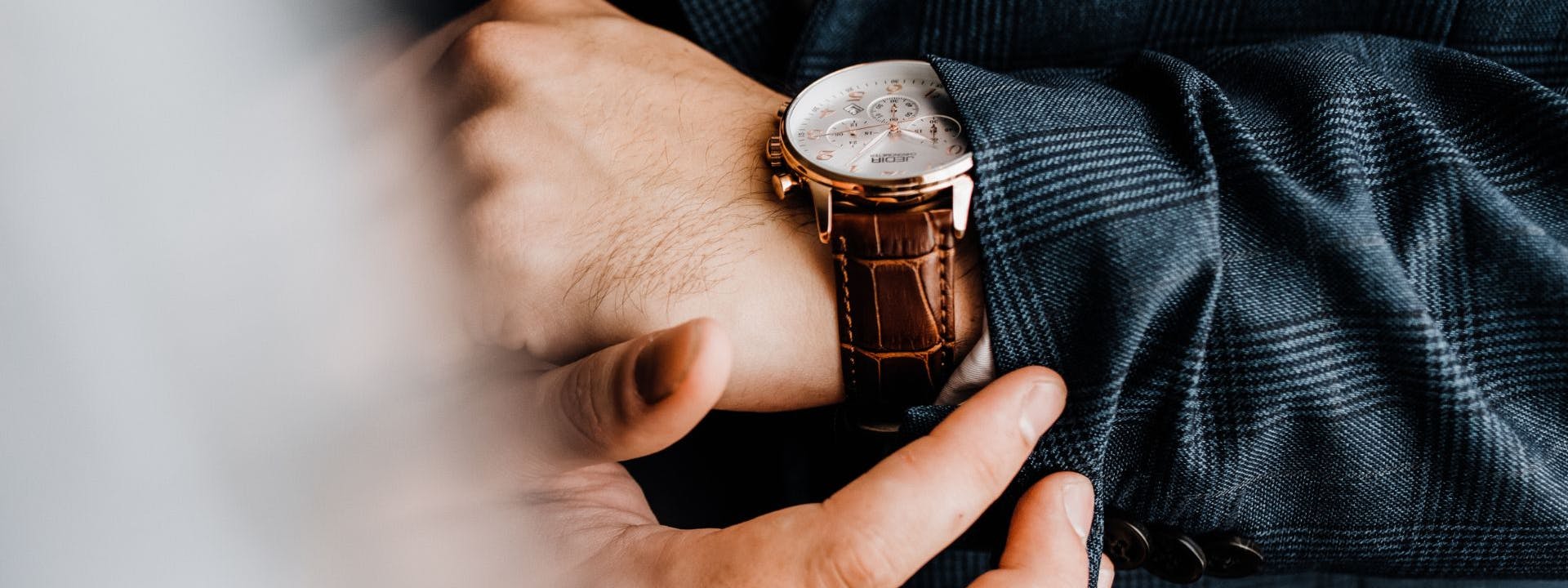
Numbers on a spec sheet don’t capture how a watch actually lives on your arm. I’ve rotated all three through work days, weekends, travel, and social situations. Each watch sends a different signal and each has practical strengths and weaknesses.
The Submariner is the chameleon. It works with a suit, with jeans and a t-shirt, at a beach bar, at a business dinner. There’s a reason this watch appears on the wrists of everyone from James Bond to Steve McQueen to the guy at your local coffee shop. Its 41mm diameter and 12.5mm thickness give it presence without being ostentatious. The black dial and bezel combination is the definition of versatile. People notice it, but it doesn’t scream. If you can only own one watch — genuine or replica — the Submariner is the pragmatic answer.
The Royal Oak is the statement piece. Those eight screws on the bezel, the industrial-meets-luxury design language — it announces itself. People who know watches will recognize it immediately. People who don’t will still notice something distinctive is happening on your wrist. At 41mm and 10.4mm thick, it wears surprisingly sleek despite its angular design. The integrated bracelet means it sits flat against the wrist with no wobble. The watch is slightly less versatile than the Submariner — it’s not really a beach watch, and the polished surfaces show scratches more readily — but as a daily driver for an office or social environment, it’s magnetic.
The Nautilus is the stealth wealth play. At 8.3mm thick and 40mm across, it slides under a shirt cuff like it was designed for exactly that purpose (it was). People who know, know. People who don’t will see a clean, thin, elegant watch and might guess it costs a few hundred dollars — until someone tells them the genuine retails for over $35,000 and sells for twice that on the secondary market. The Nautilus doesn’t compete for attention. It rewards attention. On the wrist, it feels like wearing nothing — 130 grams disappears after ten minutes.
Quick Personality Match
Submariner
You want one watch that works everywhere. Tool watch DNA, boardroom ready. The safe — and smart — first choice.
Royal Oak
You want people to notice your taste. Bold design language. The conversation starter that backs it up with substance.
Nautilus
You dress well and prefer subtlety. The thinnest, lightest, most refined. For buyers who already know what they like.
Best Factory for Each Watch
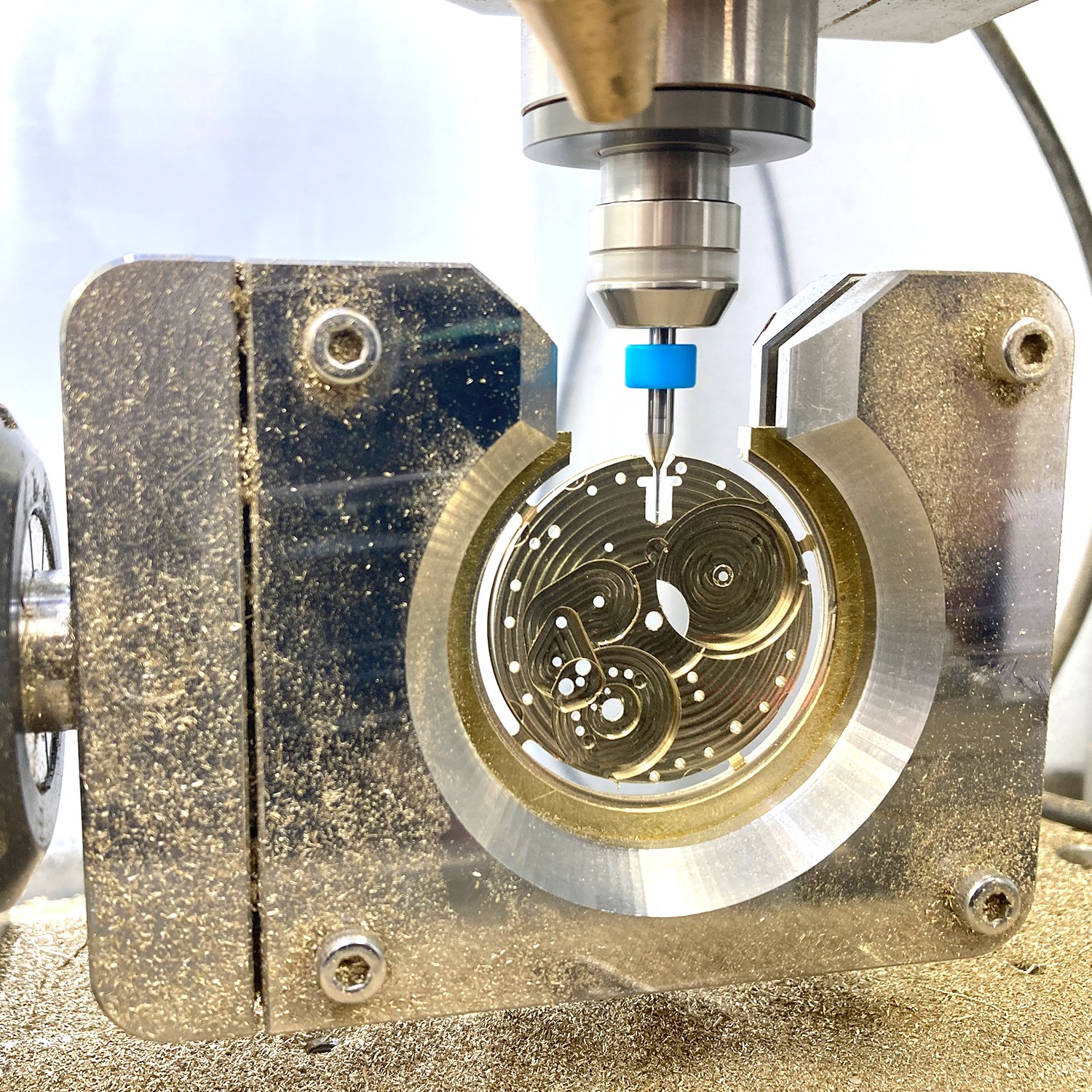
Factory selection matters as much as model selection. Two Submariners from two different factories can look identical in photos but feel completely different in hand. Here’s where the money should go for each of these three icons, and why alternatives fall short.
Rolex Submariner: Clean Factory (CF) — There’s no serious debate here. Clean has been building Submariners longer than most factories have been in business. Their current V6 production addresses every issue identified in previous versions: bezel font spacing, crystal gasket color, dial printing alignment, SEL fitment. VS Factory offers a credible alternative at a slightly lower price point, with their own clone 3235 (VS3235), but Clean maintains the edge in overall consistency — their QC rejection rate is lower, meaning more units pass quality checks before shipping.
AP Royal Oak: ZF Factory — ZF’s Royal Oak has been the benchmark since they entered AP production. Their bezel screw alignment is the most consistent in the market. The main competing option is JF Factory, which pioneered the super clone Royal Oak years ago but has since been surpassed by ZF on finishing quality and movement reliability. For the budget-conscious, K1F offers a lower-tier Royal Oak that looks right in photos but won’t survive close comparison with ZF or genuine.
Patek Nautilus: 3KF vs PPF — This one is actually a split decision. 3KF produces the thinnest Nautilus case (closest to genuine’s 8.3mm) and has the better dial embossing. PPF’s strength is bracelet quality — their links have slightly better finishing and articulation. If forced to choose one, 3KF edges ahead because the case thickness matters more to the overall wearing experience than marginal bracelet differences. But PPF is a legitimate second choice, not a compromise. For a detailed breakdown of all factories, see our complete factory guide.
QC Tells — What to Watch For
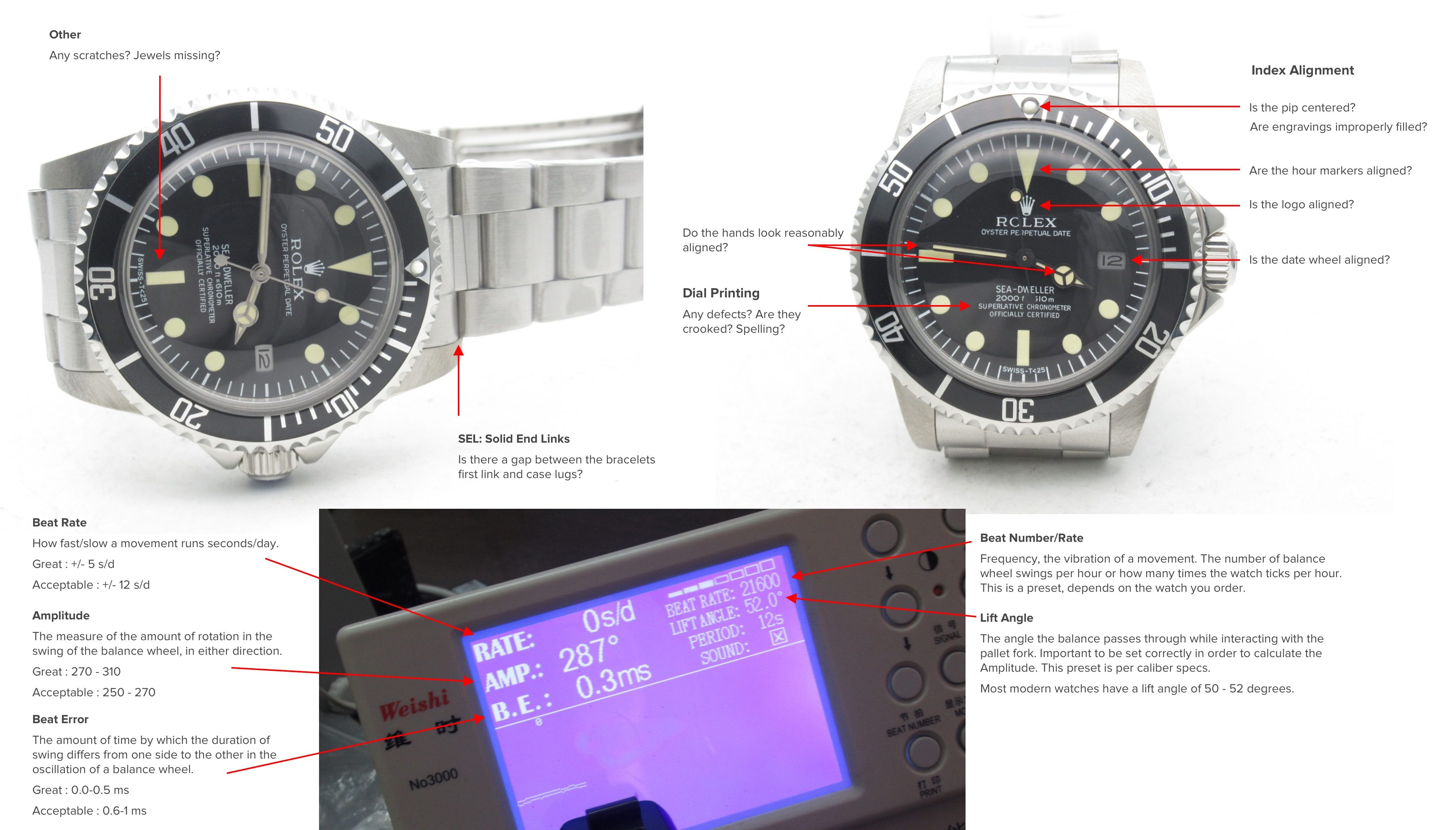
When your QC photos arrive — and you should always insist on receiving them before approving any watch — here’s exactly what to scrutinize on each model. Different watches have different weak points, and knowing where to look saves you from accepting a unit that should have been rejected. For a complete guide on reading QC photos, check our QC photos masterclass.
Submariner QC Priorities:
- Bezel alignment — The 60-minute scale should have “60” perfectly centered above the 12 o’clock marker. Even 0.5mm off is visible to the eye. RL if the pip is noticeably shifted left or right.
- SEL gaps — Solid end links should sit flush with the case. Top and bottom. Any visible gap wider than a hair means the case and bracelet aren’t properly matched.
- Cyclops magnification — Should be 2.5x. The date should fill approximately 75% of the cyclops window. Too small = wrong magnification. Too large = the cyclops is positioned incorrectly.
- Rehaut alignment — The “ROLEX ROLEX ROLEX” engraving on the inner bezel ring should align precisely with the hour markers. Misaligned rehaut is the most common tell on Clean Submariners.
- Timegrapher — Amplitude above 260, rate within ±10 s/d, beat error under 0.5ms.
Royal Oak QC Priorities:
- Bezel screw alignment — All eight screws must be perfectly aligned. A single misaligned screw on a Royal Oak is like a crooked painting — it’s all you’ll see once you notice it.
- Tapisserie consistency — The grid pattern should be uniform across the entire dial. Look for areas where the stamping is shallower or where the pattern shifts slightly.
- Brushing direction — Case sides should show horizontal brushing. Bezel top surfaces should show radial brushing. If these are reversed or inconsistent, RL.
- Crown position — The AP crown should sit flush and the logo on the crown should be centered and properly oriented.
Nautilus QC Priorities:
- Case thickness — Ask the dealer to measure it. 3KF should be under 8.8mm. If it’s over 9mm, something is off with the movement seating.
- Ear symmetry — The two “ears” on either side of the case should be identical in shape and position. Asymmetric ears are a known issue on lesser factories.
- Dial gradient — On the blue dial, the gradient should darken evenly toward the edges. Uneven gradients or color pooling near the 6 o’clock are telltale signs of a lower-quality dial batch.
- Wave pattern — The horizontal embossing should be consistent from edge to edge. Look for any area where the lines seem to compress or stretch.
Longevity & Service Life
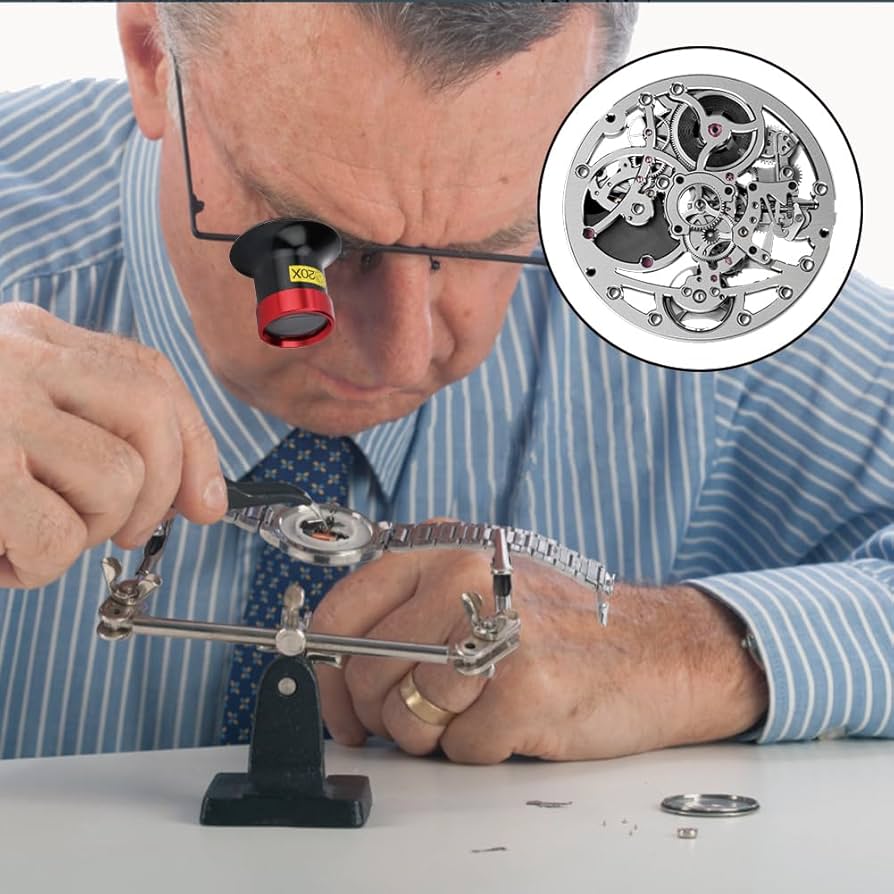
A super clone should last years, not months. But “years” means different things for different movements, and your approach to maintenance affects longevity more than the factory name on the box.
The Submariner with VR3235 is the marathon runner. With a basic service every 3-4 years — clean, oil, regulate — this movement will run for a decade or more. Parts availability means even if something breaks, repair is straightforward and inexpensive. Watchmakers familiar with the Rolex 31xx/32xx architecture will service a VR3235 without hesitation because the layout is functionally identical. The 904L case and Cerachrom bezel are extremely resistant to wear — you’ll see fewer scratches after two years than 316L shows after six months.
The Royal Oak with Miyota 9015 base is similarly long-lived for a different reason. The Miyota 9015 has been in production since the early 2000s, has been used in thousands of microbrands and fashion watches, and has a service infrastructure that spans the globe. Any watchmaker who services Japanese movements can handle it. The decorated ZF plates and rotor are cosmetic — underneath, it’s the same proven workhorse. If anything, the Miyota might be the most reliable of the three in terms of “years between services,” because it was designed for mass production durability rather than horological elegance.
The Nautilus with clone 324 is the one that requires the most attention. This movement is still evolving. Early versions (2020-2022) had mainspring issues — springs that lost tension prematurely, leading to reduced power reserve and amplitude. Current production (2024-2026) has largely solved this, but the clone 324 remains more sensitive to shocks than the other two movements. If you wear a 3KF Nautilus, treat it with respect — don’t play tennis wearing it, don’t leave it crown-up overnight (store dial-up), and get it serviced every 2-3 years rather than stretching to 4-5.
Which One Should You Buy First?
I get asked this question at least once a week, and my answer depends on three things: your wardrobe, your wrist size, and what you want the watch to say about you.
Buy the Submariner first if: You want maximum versatility with zero compromises on quality. You dress casually as often as formally. You want the most reliable movement. You’re not trying to impress watch people specifically — you just want the best all-around luxury sports watch. The Submariner from Clean Factory is the highest-percentage play in the replica market. Browse our Rolex collection to see available models.
Buy the Royal Oak first if: You want a design icon that says “I know what I’m wearing.” You spend most of your time in environments where people appreciate watches — finance, fashion, entertainment. You have wrists 6.5 inches or larger (the 41mm case with its angular design can overwhelm smaller wrists). You want something that looks unmistakable from across a room. Explore our Audemars Piguet collection.
Buy the Nautilus first if: You gravitate toward quiet luxury. You wear tailored clothing regularly. You appreciate thinness and lightness on the wrist more than visual impact. You already know what a Nautilus is and what it represents — you don’t need others to recognize it. You value elegance over ruggedness. See our Patek Philippe collection.
My Personal Pick: If I could only keep one, I’d keep the Submariner. Not because it’s the most interesting — the Royal Oak and Nautilus are both more compelling designs — but because it works everywhere, survives everything, and the movement is bulletproof. The smart collector eventually owns all three. The smart first-time buyer starts with the Sub and adds the others later.
The Individual Selection Process
Getting a super clone isn’t like adding something to a shopping cart. The process is individual — and that’s by design. Here’s how it works when you’re serious about getting the best possible unit:
Step 1: Choose your model and factory. Based on everything in this guide, decide which watch you want and from which factory. For the Submariner, that’s Clean. For the Royal Oak, ZF. For the Nautilus, 3KF or PPF.
Step 2: We source the watch. We connect with our factory contacts and source the specific model. This isn’t pulling from warehouse inventory — we communicate directly with the factory to get a fresh unit. For popular models like the Submariner 126610LN or Royal Oak 15500ST blue dial, availability is typically 3-5 business days. For less common references or two-tone models, it might take longer.
Step 3: QC photos. Before anything ships, we take detailed QC photos and send them to you. Multiple angles — dial straight-on, profile, caseback, bracelet clasp, lume shot, and timegrapher results. You review these at your own pace. We walk you through what to look for based on the specific model. Read our QC photos guide for a detailed breakdown of every checkpoint.
Step 4: GL or RL. If you’re satisfied with the photos — Green Light (GL). If something isn’t right — a misaligned bezel, visible SEL gap, low amplitude reading — you Red Light (RL) and we source another unit. There’s no pressure and no time limit. You decide when the watch meets your standards.
Step 5: Secure shipping. Once GL’d, the watch ships with discrete, secure packaging. Tracking provided at every stage. The process from initial inquiry to watch on wrist typically takes 10-18 days depending on the model.
This individual approach is why super clones from recommended factories consistently outperform random purchases from unknown sellers. You’re not buying blind — you’re selecting a specific unit that meets your criteria before you commit. It’s the same principle as how genuine collectors buy: they inspect, they compare, they choose.
Why It Matters: Every watch that leaves a factory is slightly different. Bezel alignment, dial printing position, movement regulation — these vary unit to unit. The QC process ensures you get a watch from the top 20% of production, not a random pick from the middle of the bell curve. Compare our approach to cheap replicas where you get whatever ships first.
FAQ — 20 Collector Questions Answered
Can a jeweler tell the difference between a Clean Submariner and genuine?
A casual glance — no. Under a loupe, an experienced Rolex specialist might identify the movement finishing as non-genuine, but would need to open the caseback. External visual tells on current V6 production are virtually non-existent at normal viewing distances.
Is the ZF Royal Oak as good as JF was in its prime?
Better. JF pioneered the super clone Royal Oak and deserves credit for that, but ZF has surpassed them on every measurable dimension — bezel screw alignment, tapisserie depth, bracelet finishing, movement consistency. JF set the template; ZF perfected it.
Why is the Nautilus replica thicker than genuine?
Patek’s genuine Cal. 26-330 is an ultra-thin movement that took decades to develop. Replicating that thinness while maintaining reliability requires trade-offs. The clone 324 is close (0.2-0.3mm thicker) but achieving exactly 8.3mm consistently remains the biggest engineering challenge in Nautilus replication.
Can I swim with a replica Submariner?
With a Clean Factory Submariner, swimming in a pool or the ocean is fine. The gaskets and screw-down crown provide real water resistance — not to 300m like genuine, but sufficient for recreational swimming. Always ensure the crown is fully screwed down. Hot tubs and saunas are off limits for any watch, replica or genuine.
Which watch holds its value best if I want to resell?
Replica watches don’t “hold value” in the investment sense — they’re products you buy to wear and enjoy. That said, Clean Submariners and ZF Royal Oaks maintain the most demand on secondary forums because of their reputation and reliability. The Nautilus is less commonly traded.
Should I get the blue or black dial Royal Oak?
The blue dial (ref. 15500ST) is the iconic choice and the most photographed. ZF’s blue dial reproduction is excellent — the color shifts from deep navy to almost black depending on lighting, matching genuine behavior. The black dial is more versatile and slightly easier for factories to produce consistently. Both are excellent; blue is more iconic, black is more subtle.
3KF or PPF for the Nautilus — which should I actually pick?
3KF if case thickness and dial quality are your priority. PPF if bracelet quality and clasp mechanism matter more. For most buyers, 3KF is the better overall package because the slimmer case fundamentally changes how the watch wears. The bracelet difference between the two is less impactful than the case thickness difference.
How accurate are these watches day-to-day?
Clean Submariner (VR3235): ±5-8 seconds/day. ZF Royal Oak (Miyota 9015): ±8-12 seconds/day. 3KF Nautilus (clone 324): ±8-15 seconds/day. All can be regulated tighter by a watchmaker. The Submariner runs closest to genuine COSC standards out of the box.
Which is the best everyday beater watch?
The Submariner without question. It was designed as a tool watch — water resistant, shock resistant, readable in any light. The 904L steel and ceramic bezel shrug off minor impacts and scratches better than the Royal Oak’s polished surfaces or the Nautilus’s slim profile. It’s the one you can wear without thinking about it.
Can I replace the movement if it fails?
Yes, all three. VR3235 and Miyota 9015 movements are readily available for purchase separately. Clone 324 movements are harder to source but available through specialty dealers. A watchmaker can swap in a new movement in 1-2 hours, effectively giving the watch a new life.
Do any of these pass the “weight test”?
All three are within 5-8 grams of their genuine counterparts. The Submariner (Clean) is closest — 904L steel matches genuine weight naturally. The Royal Oak and Nautilus use 316L matching genuine spec exactly. Nobody can identify a replica by picking it up and guessing the weight.
What wrist size is best for each watch?
Submariner: 6.25″ and up — the 41mm case is universally flattering. Royal Oak: 6.5″ and up — the angular design and 50mm lug-to-lug need a bigger canvas. Nautilus: 6″ and up — the 40mm case and short 44.6mm lug-to-lug work well even on smaller wrists. The Nautilus is the most size-friendly of the three.
Are two-tone versions as good as steel?
Two-tone and gold-plated versions add a variable — the plating quality and color accuracy. Clean’s two-tone Submariner uses a thick gold wrap (not thin plating) that holds up well, but it’s still a coating over steel rather than genuine solid gold. For your first purchase, stick to stainless steel. It’s the most accurately replicated and the most durable.
How long does the QC process take?
After ordering, expect QC photos within 3-7 business days depending on model availability. Review takes as long as you need. If you RL a unit, the replacement cycle adds another 3-7 days. Most orders from first contact to delivery: 10-18 days total.
Is it worth getting a display caseback on the Submariner?
No. Genuine Rolex Submariners never had display casebacks. Adding one is a modification that immediately identifies the watch as non-genuine to anyone with basic Rolex knowledge. The solid caseback is correct and actually protects the movement better from dust and moisture.
Which lume is best among the three?
The Submariner wins on lume intensity and longevity — it’s a dive watch, so lume is part of the core function. Clean uses quality lume that charges quickly and glows for hours with that characteristic Rolex blue-green color. The Royal Oak and Nautilus have applied lume on indices and hands, but it’s not as bright or long-lasting because these weren’t designed as nighttime tools.
What’s the biggest tell on each watch?
Submariner: rehaut alignment (the ROLEX engraving on the inner ring). Royal Oak: tapisserie depth under strong direct light. Nautilus: case thickness when viewed from the side. All three are subtle enough that casual observation won’t catch them, but they exist — perfection is the goal, not the current reality.
Can I add aftermarket parts to improve the replica?
For the Submariner — yes, extensively. Aftermarket crystal with better AR coating, genuine-spec hands, better bezel inserts all exist. The Royal Oak is harder to modify because of the integrated design. The Nautilus is the least mod-friendly because changes to any component risk affecting the slim profile. Start stock. Modify later if you identify specific areas you want to improve.
Should I buy all three at once?
Only if you’re certain about your preferences. A smarter approach: buy one, live with it for a month, understand what you like and don’t like about it. Then use that experience to inform your second purchase. Buying all three simultaneously means you can’t apply lessons learned from daily wear to your next choice.
What other watches should I consider beyond these three?
If you want a Submariner alternative that’s slightly different — the Omega Seamaster from VSF is exceptional. For dress-sport — the IWC Portugieser from ZF or the Cartier Santos from GF. For something wild — the Richard Mille RM011 from KV. Our complete buyer’s guide covers all 12 brands in detail.
The Bottom Line
These three watches represent the highest tier of what super clones can achieve in 2026. The Submariner from Clean Factory gives you the most battle-tested, reliable, versatile package. The Royal Oak from ZF delivers the boldest design statement with genuinely impressive finishing. The Nautilus from 3KF offers the most refined wearing experience in the thinnest profile. There’s no wrong answer — only the one that fits your wrist and your life best. Whatever you choose, the individual selection process with QC photos ensures you’ll receive a watch that represents the best of what each factory produces.