Super Clone Watches vs Cheap Replicas — Why the $50 DHGate Watch and the $800 Super Clone Are Completely Different Products
Last updated: March 2026 • 30-minute read • By Patrick Harmon
Every week someone asks the same question: “Why should I pay $800 for a replica when I can get one on DHGate for $50?” It’s a fair question. Both watches say “Rolex” on the dial. Both tell time. Both look similar in photos. But picking one up in person is where the conversation ends — because they are fundamentally different products, built with different materials, different movements, different manufacturing processes, and for entirely different buyers. This article breaks down exactly what you get at every price point, what separates a throwaway fashion accessory from a genuinely engineered timepiece, and why the individual selection process matters more than the brand name printed on any dial.
Table of Contents
- 01 The Uncomfortable Truth About $50 Watches
- 02 Four Quality Tiers Explained
- 03 Case & Materials — Steel Is Not Steel
- 04 Movement — The Heart of the Difference
- 05 Dial, Crystal & Finishing Details
- 06 Bracelet & Clasp Engineering
- 07 Water Resistance Reality
- 08 The Individual Selection Process
- 09 Side-by-Side: 7 Brands Compared
- 10 Longevity & Service Life
- 11 Who Should Buy What
- 12 FAQ — 20 Questions Answered
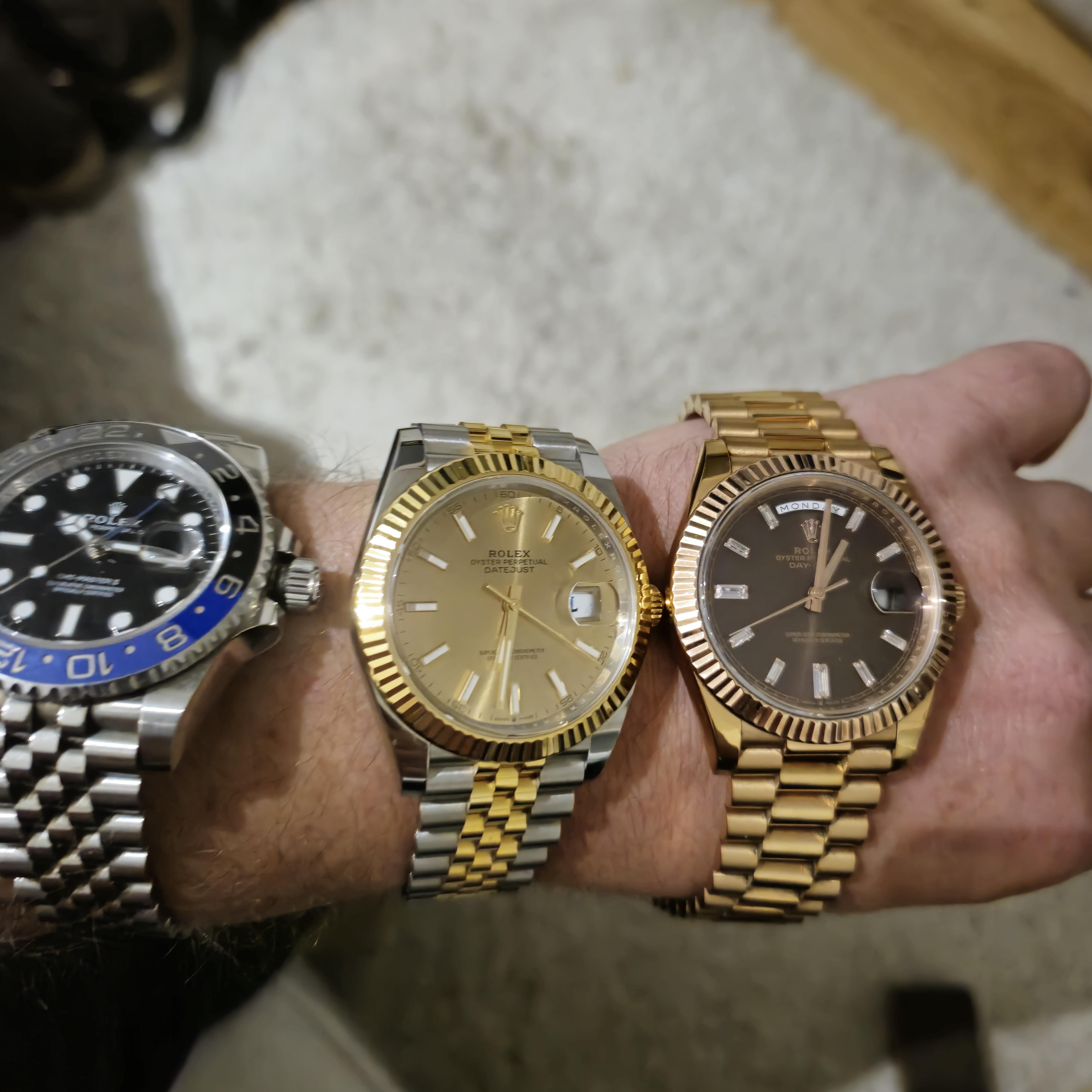
The Uncomfortable Truth About $50 Watches
Here’s what nobody selling cheap watches wants you to know: a $50 replica exists because it costs about $8-12 to manufacture. That’s case, movement, dial, crystal, bracelet, packaging, and assembly — everything — for under twelve dollars. The remaining $38 covers shipping, platform fees, and the seller’s margin.
At that manufacturing cost, certain things are mathematically impossible. You cannot machine 904L stainless steel for $2. You cannot install a movement with 28,800 vibrations per hour for $3. You cannot apply Swiss Super-LumiNova C3 compound for $0.50. So what do you actually get?
You get 316L steel at best — often 304 or even zinc alloy with steel-colored plating that wears off within months. You get a Tongji or unlabeled Chinese quartz movement, sometimes a DG2813 automatic that gains or loses 30-40 seconds per day. The crystal is mineral glass, not sapphire — it scratches if you look at it wrong. The lume, if any exists, dies within minutes. The bracelet has hollow end links that rattle. The clasp is stamped tin. The rotor inside sounds like a marble in a tin can.
None of this makes the $50 watch “bad” in some moral sense. It’s a fashion accessory with a brand name on it. If that’s all you want — the look for a night out, a vacation beater, something disposable — it serves that purpose. But calling it a “replica” in the same breath as a super clone is like comparing a Halloween costume sword to an actual forged katana. Same shape. Entirely different object.
Reality Check: About 85% of all “replica watches” sold online are in the $30-80 range. The vast majority of buyers have never held a super clone. When they say “replicas are terrible quality,” they’re talking about the only tier they’ve experienced. A super clone is a different product category entirely.
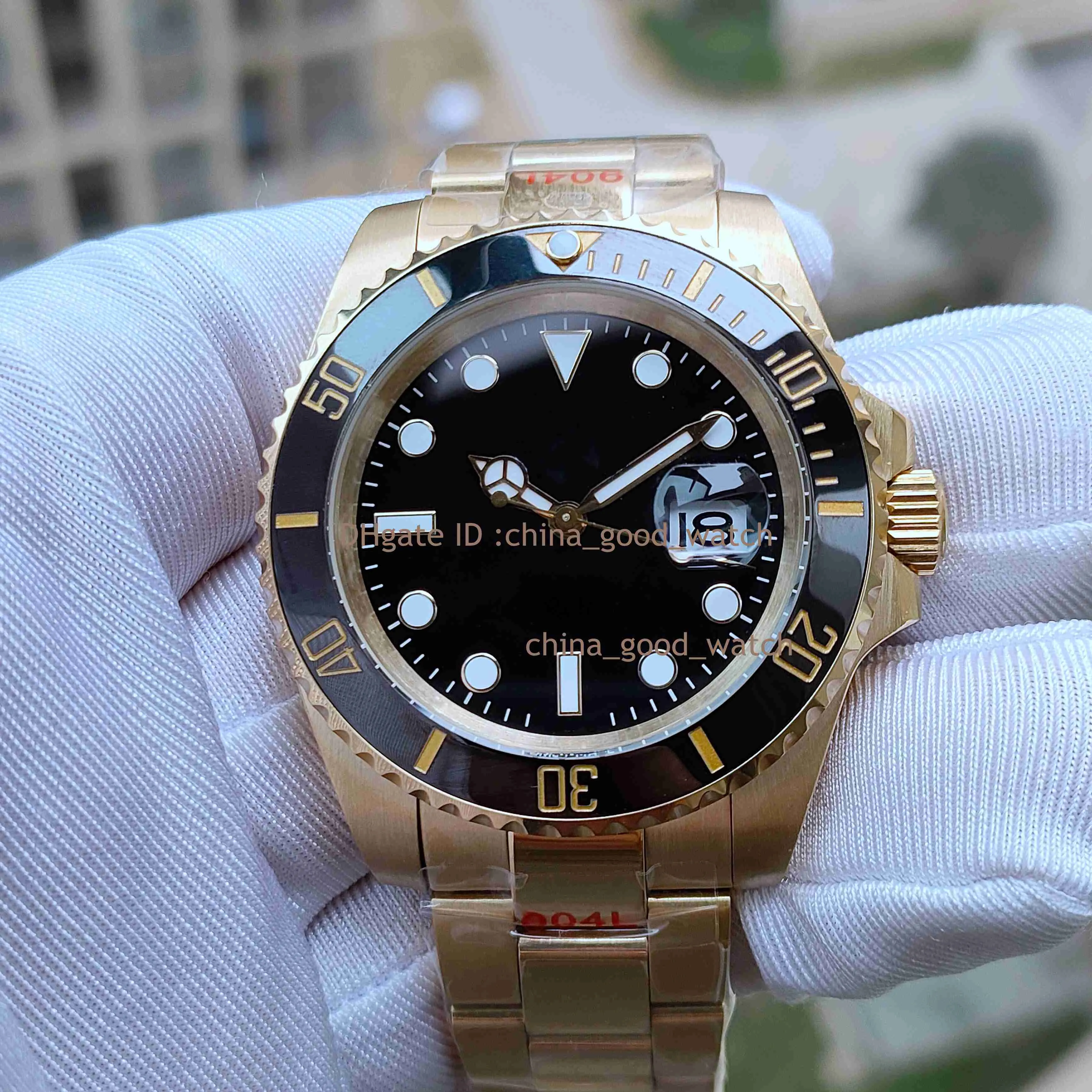
Four Quality Tiers Explained — From DHGate to Super Clone
The replica market isn’t one market — it’s four completely separate manufacturing ecosystems with different factories, different supply chains, and different quality control standards. Understanding these tiers saves you from the most common mistake buyers make: judging the entire category by one bad experience at the bottom.
That table tells the story in numbers, but numbers don’t capture the feel. Pick up a Tier 1 watch and it feels like a toy. Pick up a Tier 4 super clone and it feels like jewelry. The weight distribution is different. The crown screws down with resistance. The bezel clicks with precision — 120 clicks on a Submariner bezel, exactly like the genuine article. The bracelet doesn’t jingle. The clasp closes with a satisfying mechanical snap. These aren’t marketing words — they’re physical properties that come from better raw materials and tighter manufacturing tolerances.
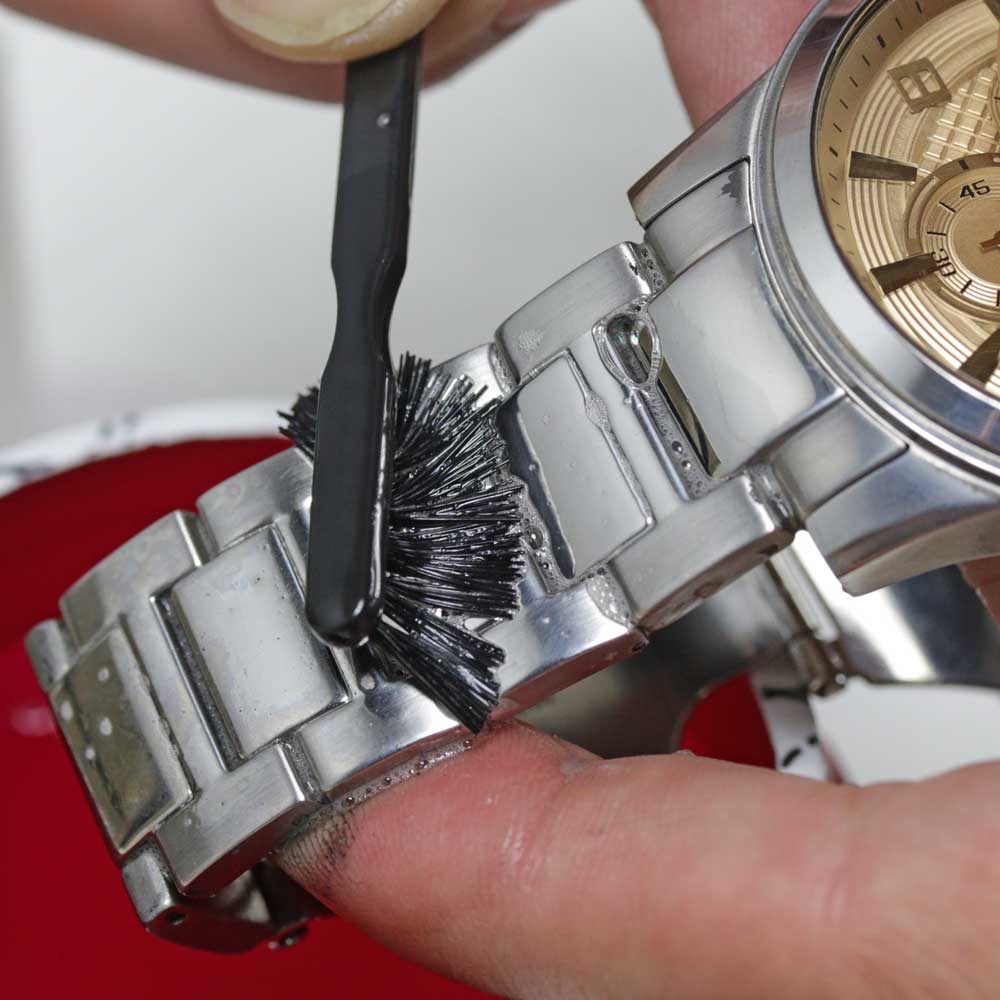
Case & Materials — Steel Is Not Steel
This is where the biggest misunderstanding lives. People think “stainless steel” is one thing. It’s not. The steel grades used in watchmaking span a massive quality range, and each grade has different hardness, corrosion resistance, polishing characteristics, and cost.
304 Steel
Chromium: 18% • Nickel: 8%
Hardness: 187 HB
Used in: DHGate tier. Basic kitchen-grade steel. Corrodes in salt water. Dull polish that fades. Cannot hold a mirror finish. Nickel content triggers skin reactions in ~15% of people.
316L Steel
Chromium: 16% • Molybdenum: 2%
Hardness: 217 HB
Used in: AAA and mid-tier. Surgical-grade steel. Good corrosion resistance. Takes a polish well. This is what most watch brands besides Rolex use, including Omega, Panerai, and IWC. Solid choice for everything except Rolex models.
904L Steel
Chromium: 20% • Molybdenum: 4.5%
Hardness: 230 HB
Used in: Super clones (Rolex). “Super austenitic” — originally for chemical processing. 3x more corrosion resistant than 316L. Holds a mirror polish that looks “wet.” Costs 4-5x more to source and requires special CNC tooling. Only used by Clean Factory and VS Factory for Rolex models.
Here’s the practical difference you’ll notice. A 904L Submariner from Clean Factory weighs 155 grams — the genuine weighs 158. A DHGate version in 304 steel weighs 95 grams. You don’t need calipers to tell them apart. You need two hands and basic pattern recognition.
Beyond the steel grade, super clone cases are CNC-machined from solid billets — not cast in molds. Casting creates microscopic air bubbles, uneven wall thickness, and rough surfaces that no amount of polishing can fully correct. CNC machining from billet stock produces tolerances of ±0.02mm, which means the case dimensions match the genuine blueprint with near-perfect accuracy. The lugs, the crown guards, the case back threading — all machined to spec.
Expert Tip: The fastest way to spot a cheap replica? Look at the chamfers — the beveled edges where surfaces meet. On a super clone, these are laser-cut at exactly 45° with a polished mirror finish. On a DHGate watch, chamfers are either absent (edges are just rounded) or rough and uneven. A genuine Submariner has 11 distinct chamfered surfaces on the case alone. A super clone reproduces all 11. A cheap replica reproduces zero.
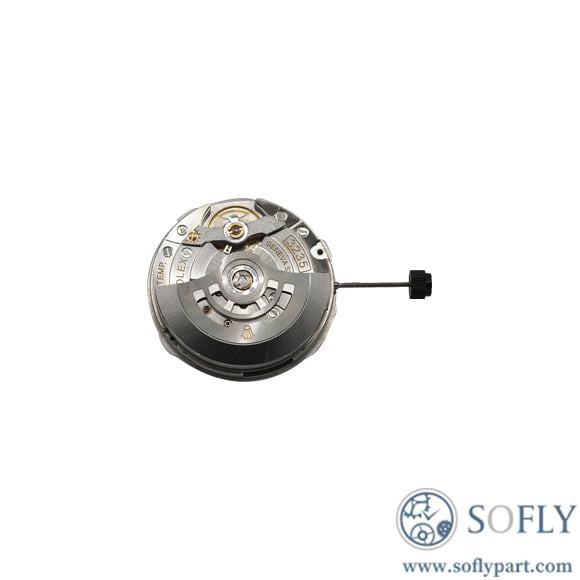
Movement — The Heart of the Difference
If there’s one section of this article that justifies the entire price difference, it’s this one. The movement inside a watch determines everything: accuracy, power reserve, reliability, serviceability, and — for transparent case backs — visual authenticity. And the gap between tiers is enormous.
What’s Inside a $50 Watch
Most DHGate watches use either a Chinese quartz movement (no sweeping second hand — it ticks) or a DG2813 automatic. The DG2813 is the cheapest automatic movement in production. It runs at 21,600 vibrations per hour (6 beats per second), which means the second hand moves in visible steps rather than the smooth sweep of a genuine Rolex at 28,800 vph (8 beats per second). It has a 38-hour power reserve, gains or loses 25-40 seconds per day, and has a lifespan of roughly 12-18 months before requiring service — service that costs more than the watch itself, which is why nobody services them.
What’s Inside a Super Clone
Super clone movements are reverse-engineered replications of the genuine caliber. They match the architecture — not just the external appearance, but the actual mechanical design: the gear train, the escapement, the barrel configuration, the balance wheel. Let me be specific about what’s available in 2026.
Every one of these movements can be serviced by a competent independent watchmaker. The architecture is standard enough that parts can be replaced, the movement can be regulated, and the watch can run for a decade or more with proper maintenance. A DG2813 from a DHGate watch? You throw it away when it stops.
Why This Matters: The movement determines whether you own a disposable accessory or a mechanical instrument. A VS3235 inside a Clean Factory Submariner keeps time within ±2 seconds per day — that’s actually better than many genuine Swiss watches outside the COSC-certified range. The smooth 28,800 vph sweep, the 72-hour power reserve, the instantaneous date change at midnight — these aren’t marketing terms, they’re mechanical realities that you experience every time you wear the watch.
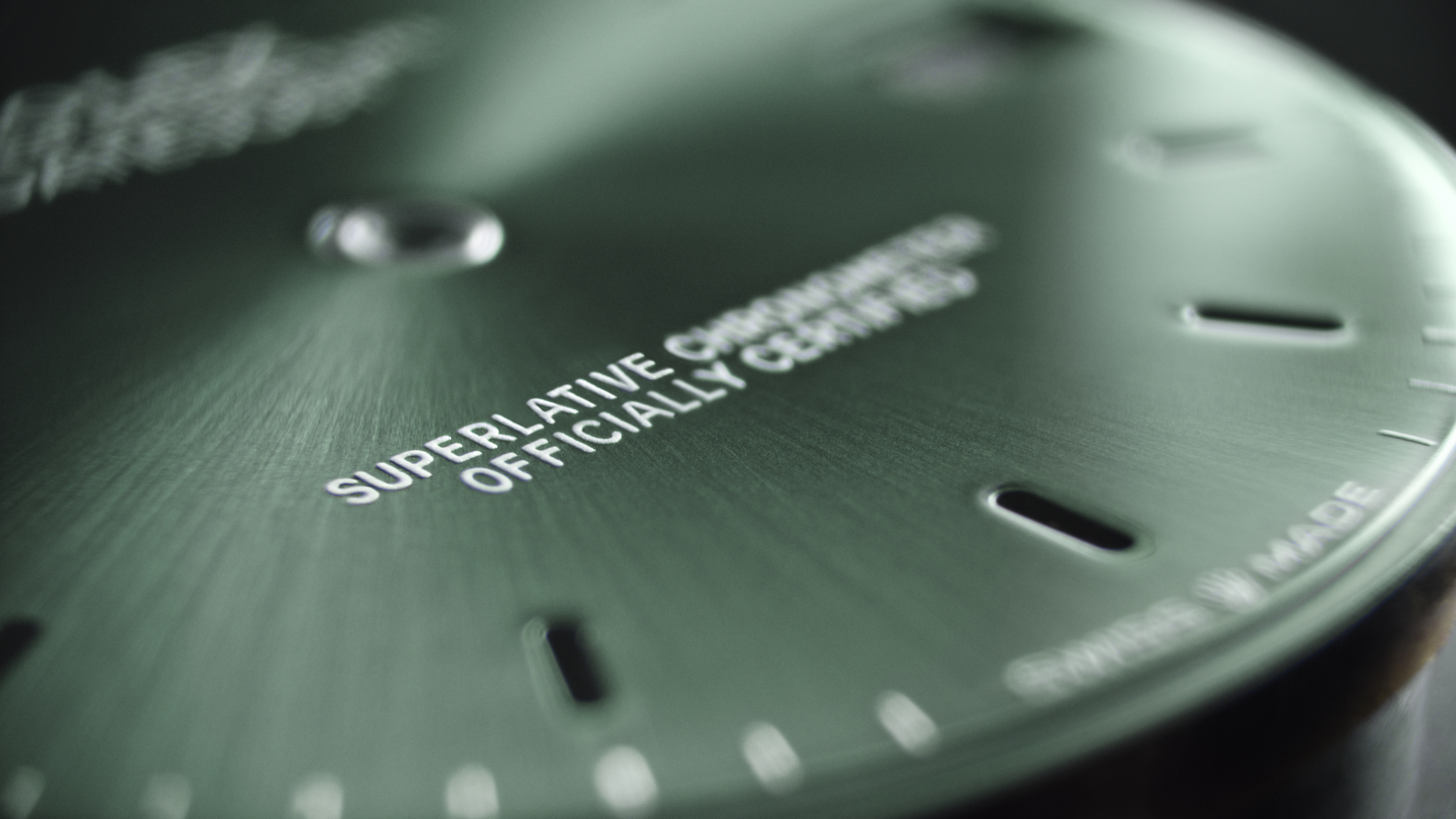
Dial, Crystal & Finishing — Where Cheap Falls Apart
The dial is the face of the watch, and it’s where the cost difference becomes most visible to anyone who’s seen a genuine piece. Let me walk through the specific failures of cheap watches and what super clones do differently.
The Dial
A genuine Rolex dial goes through 40+ steps of finishing — base layer, color coating, sunburst pattern application, index mounting, lume application, text printing. A $50 watch tries to replicate this with a single pad-printed layer on a stamped base. The text is fuzzy under magnification. The coronet (Rolex crown logo) at 12 o’clock is thick and asymmetrical. The indices are glued, not riveted. The sunburst effect is either absent or goes in the wrong direction.
Super clone dials from Clean Factory and VS Factory use multi-layer processes: electroplated base, vacuum-deposited sunburst patterns, laser-cut indices that are individually mounted and aligned, and lume dots applied with precision dispensers. The text is sharp at 10x magnification. The coronet has correct proportions. Under natural light, the sunburst catches and shifts like the genuine dial because the deposition angle matches the original manufacturing process.
The Crystal
Mineral glass versus sapphire crystal is a non-negotiable dividing line. Mineral glass scratches when it contacts metal, concrete, door frames — anything harder than 5.5 on the Mohs scale. After three months of daily wear, a mineral crystal looks like it was stored in a pocket with keys. Sapphire crystal sits at 9 on the Mohs scale — only diamond is harder. A super clone uses sapphire with anti-reflective coatings on both sides, which creates that distinctive “invisible glass” look where you can barely see the crystal at certain angles.
The cyclops (date magnification lens) tells the same story. On cheap watches, the cyclops magnifies 1.5x — you can still read the date, but it’s clearly wrong to anyone familiar with Rolex. On a super clone, the cyclops magnifies 2.5x, matching the genuine spec. The date fills the window. The anti-reflective coating on the cyclops eliminates the blue flash that cheap AR coatings produce.
Finishing & Polish
This is the detail that watchmakers check first. A genuine Rolex case has razor-sharp transitions between brushed and polished surfaces. The sides of the lugs are polished to a mirror finish while the top surfaces are brushed horizontally. The transition line between these two finishes is perfectly straight — done by machine with zero hand wobble.
Cheap replicas? The entire case gets one finish — usually a mediocre polish that tries to be mirror-like but ends up looking like chrome plating. No brushed surfaces. No sharp transitions. The case flanks blend into the lugs without definition.
Super clones replicate the dual finish faithfully. Brushed surfaces show correct grain direction and depth. Polished surfaces achieve genuine mirror quality because 904L steel (or well-machined 316L for non-Rolex brands) takes and holds polish at a molecular level that cheap alloys simply cannot match.
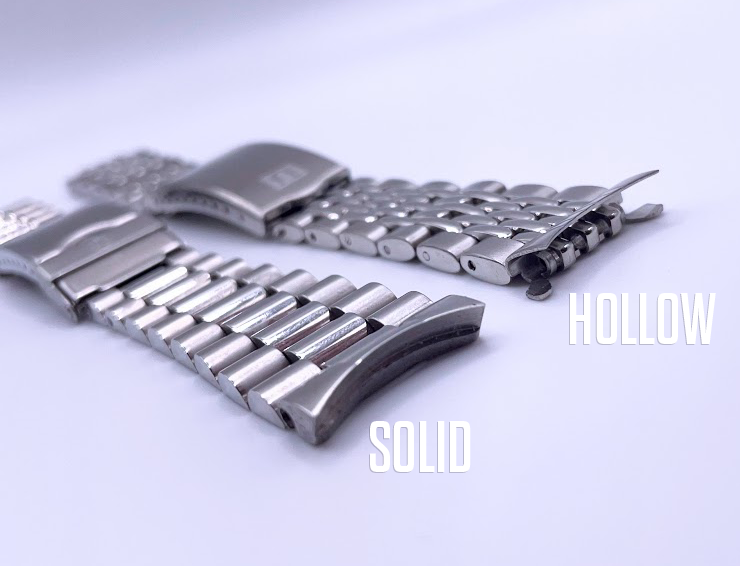
Bracelet & Clasp — Engineering You Feel Every Second
The bracelet is the part of the watch that touches your skin all day. It’s also the part where the quality gap is most immediately obvious to the wearer — before you even look at the dial.
✗ DHGate Bracelet
- Hollow end links (SEL) — visible gap between case and bracelet
- Links rattle when shaken — tin-can sound
- Clasp is stamped metal, no micro-adjustment
- Glidelock extension is either fake or absent
- Pins fall out after a few months
- Edge finishing is rough — catches arm hair
- Total bracelet weight: ~35-40g
✓ Super Clone Bracelet
- Solid end links (SEL) — flush fit, zero gap
- Silent on wrist — solid links don’t rattle
- Milled clasp with functional Glidelock (2mm increments)
- Micro-adjustment holes for perfect sizing
- Screwed links with thread-locking compound
- Brushed center links, polished outer — matching gen
- Total bracelet weight: ~75-85g
The solid end links (SEL) deserve special attention. On a genuine Rolex, the end links curve to follow the exact contour of the case between the lugs. There is zero daylight between the end link and the case. This requires precise CNC machining of both the case and the end link to mate perfectly. Cheap watches use universal end links that sort of fit — leaving gaps you can slide a fingernail into. Super clones use model-specific end links machined to match the case contour.
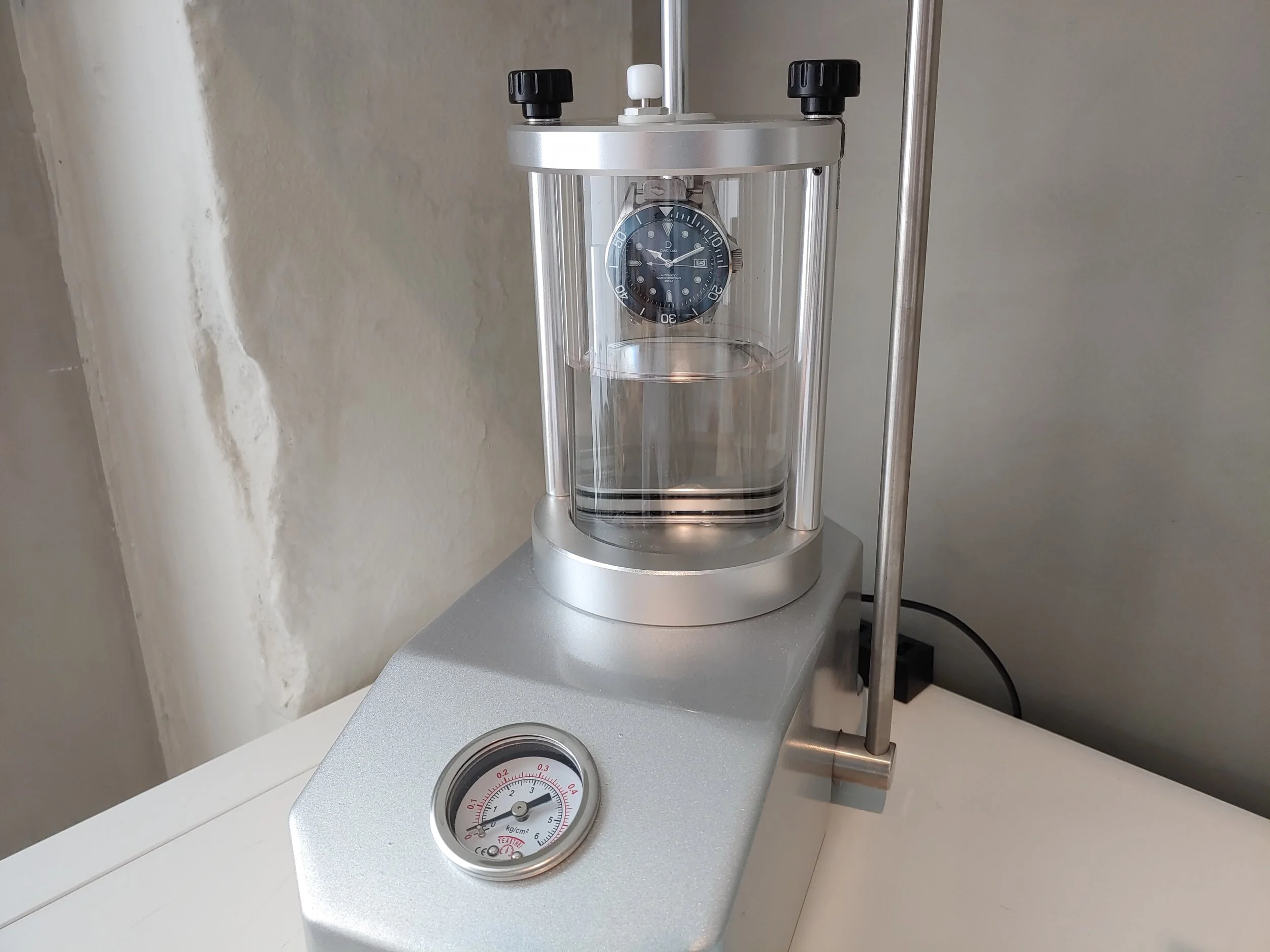
Water Resistance — The Honesty Test
A DHGate Submariner says “300m” on the dial. In reality, it might survive a light rain. The gaskets are thin rubber that dries out in months. The crown tube has no threading or loose threading. The case back uses a thin gasket that compresses unevenly. Water will enter through the crown at any pressure beyond atmospheric.
Super clone Submariners from Clean Factory pass pressure tests at 100-150 meters. Not the 300m printed on the dial, but genuine water resistance for swimming, snorkeling, and showering. The crown screws down into a threaded tube with double gaskets. The case back uses a compression gasket rated for the correct pressure range. The crystal is pressed into the case with the correct tension.
We always recommend having any watch — genuine or super clone — pressure tested by a local watchmaker before submerging it. Costs $10-15. Takes five minutes. And it saves you from a flooded movement that’s a total loss.
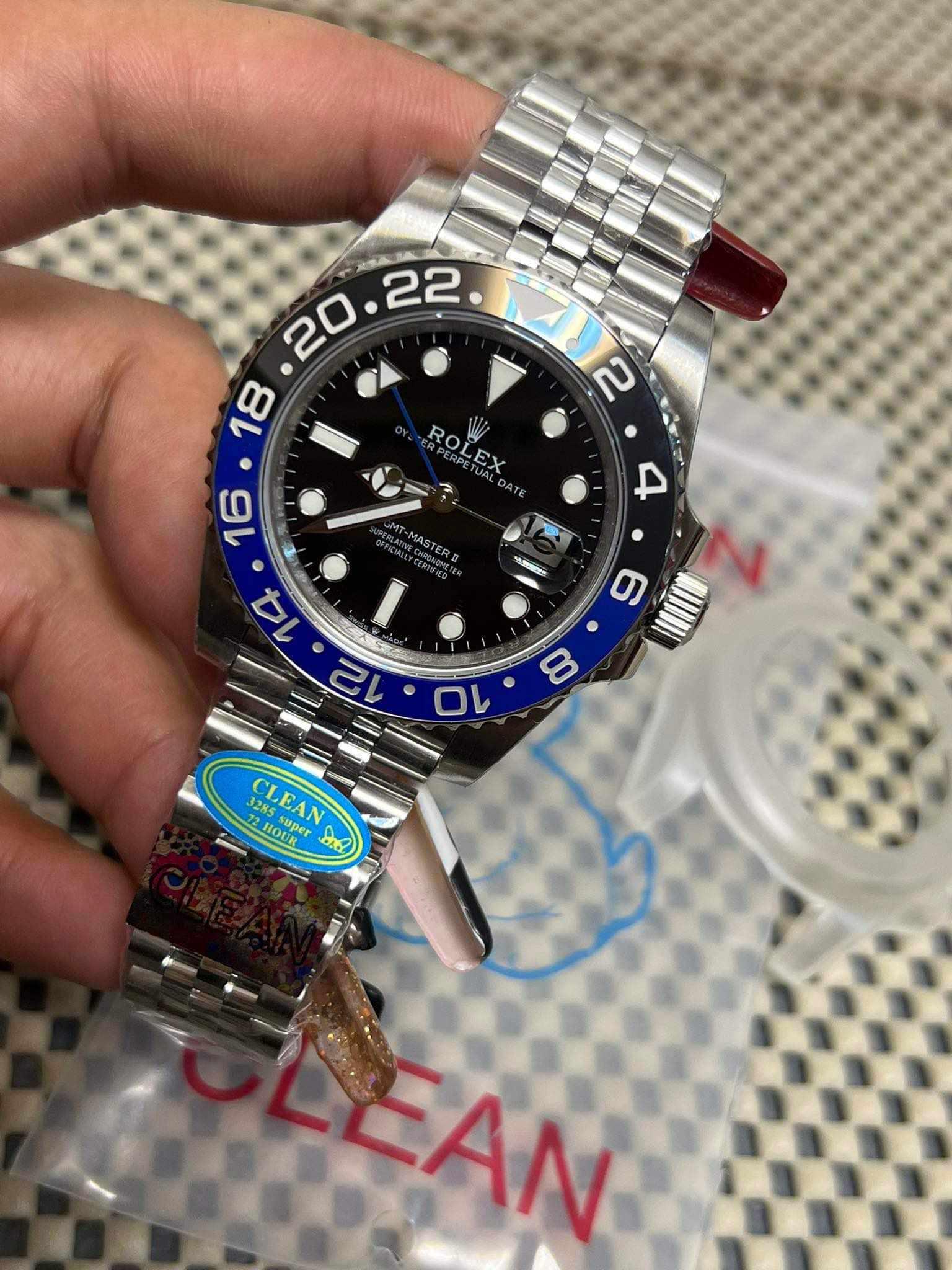
The Individual Selection Process — Why This Changes Everything
This is what separates the super clone buying experience from everything else in the replica market. When you buy from DHGate, you click “Buy Now” and receive whatever the seller grabs off the shelf. There is no inspection. There is no choice. There is no quality control. You get what you get.
The super clone process works completely differently. Here’s how it actually goes:
You Tell Us What You Want
Specific reference number, dial color, bracelet or strap, bezel configuration. Not “I want a Submariner” — but “I want a 126610LN with black dial, ceramic bezel, Oyster bracelet, and Glidelock clasp.” The more specific, the better the match.
We Source From the Best Factory
Each brand and model has a known best factory. Rolex Submariner? Clean Factory. Omega Seamaster? VSF. Audemars Piguet Royal Oak? APS or ZF. We go directly to the factory that produces the highest quality version of your specific model. Not a random marketplace — the actual source.
QC Photos — Before You Pay
We photograph the actual watch that will ship to you. Not stock photos — your specific piece. Dial alignment, bezel insert, date window, lume application, bracelet gaps, crown operation, case back engraving. Typically 8-12 detailed photos under different lighting. You review these images and either approve (GL — Green Light) or reject (RL — Red Light) the piece.
You Approve, Then We Ship
If you RL a piece, we go back to the factory for another one. Same QC process again. You never receive a watch you haven’t approved. This eliminates the “lottery” aspect of buying replicas — every piece that ships has been individually inspected and approved by the customer.
Secure Shipping & After-Sale Support
Watches ship in watch-specific packaging with proper cushioning. Tracking provided. And if anything needs attention after arrival — a movement regulation, bracelet adjustment, or any issue — we handle it. This is an ongoing relationship, not a one-time transaction on a marketplace that may not exist next month.
The Bottom Line: On DHGate, you’re gambling. You send $50 and hope for the best. With super clones, you’re making an informed purchase — you see exactly what you’re getting before it ships, sourced from the specific factory known for building the best version of your chosen model. It’s the difference between buying a car sight-unseen from a random listing and having a specialist locate, inspect, and deliver the exact specification you asked for.
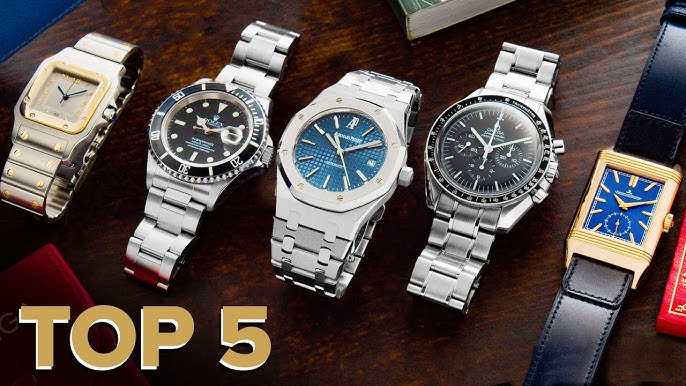
Side-by-Side: 7 Brands — DHGate vs Super Clone
Let me put specific models head to head so you can see exactly what the price difference buys for each major brand. This isn’t theoretical — these are real production specs from current batches.
Longevity & Service Life — The Real Cost Per Year
People focus on the purchase price and ignore the cost per year of ownership. This is where the math gets interesting — and where super clones actually become the cheaper option.
$50 DHGate Watch
Purchase: $50
Lifespan: 6-12 months
Serviceable: No
If you buy one per year for 5 years: $250
Cost per year: $50/year
$800 Super Clone
Purchase: $800
Lifespan: 5-10+ years
Service at year 5: $80-120
Total over 10 years: $920
Cost per year: $92/year
The DHGate approach costs $50/year but you never own a quality watch — you cycle through disposable accessories. The super clone costs slightly more per year ($92), but you own a piece that looks, feels, and functions like a genuine luxury watch for the entire decade. And if you factor in that most people buy 2-3 cheap watches per year (they keep trying different models), the actual cost of the DHGate path is $100-150/year for inferior product.
The maintenance angle matters too. Super clone movements — VR3235, VS8800, clone Cal.324 — use standard watchmaking components. Any competent independent watchmaker can service them. Clean, oil, regulate, replace worn parts. A full service runs $80-120 and restores the movement to factory accuracy. You can’t service a DG2813 because the replacement parts cost more than a new movement, and no watchmaker wants to spend an hour on a $3 caliber.
Who Should Buy What — Honest Recommendations
Not everyone needs a super clone. Here’s an honest assessment of which tier serves which buyer.
Our Honest Take: If you just want a fashion prop — buy cheap. No judgment. But if you care about quality, if you want the watch to feel right on your wrist, if you want to wear it daily for years without it falling apart — the super clone is the only option that delivers. The $50 tier exists for people who want a label. The $800 tier exists for people who want a watch.
Related Articles You Should Read
- Replica Watch Factories Guide
- QC Photos Masterclass
- Submariner vs Royal Oak vs Nautilus
- Replica Watch Factories Guide
- QC Photos Masterclass
FAQ — 20 Questions About Super Clones vs Cheap Replicas
Q: Can a jeweler tell the difference between a super clone and genuine?
A certified Rolex watchmaker with the watch open on the bench — yes, eventually. A regular jeweler looking at it on your wrist — extremely unlikely. The external dimensions, weight, and finishing of top-tier super clones are within 2-3% of genuine specifications. The main tells require disassembly: serial number verification against Rolex database, movement serial format, and specific internal markings.
Q: Do super clone chronographs actually work?
On models with clone caliber chronograph movements — like the SA4130 (Daytona) or clone B01 (Breitling Navitimer) — yes, fully functional. Start, stop, reset. Running seconds subdial is live. On cheaper versions using a modular chronograph on a base movement, the chronograph works but the subdial layout may be slightly off. DHGate chronographs are almost always decorative — the pushers click but nothing happens.
Q: How accurate are super clone movements?
The best clone movements — VS3235, VR3235, VS8800 — achieve ±2-5 seconds per day out of the box. After regulation by a watchmaker (~$30), many achieve ±1-2 seconds per day. For comparison, COSC certification requires ±4-6 seconds per day. Some super clones actually beat COSC standards.
Q: What does “QC photos” mean?
Quality Control photos. Before your specific watch ships, we photograph it from multiple angles under controlled lighting. You review dial alignment, bezel markings, date window position, lume application, case finishing, and bracelet fit. If anything doesn’t meet your standards, you can reject the piece (RL = Red Light) and we source another one. This process doesn’t exist on DHGate or AliExpress.
Q: What if I RL (reject) a watch during QC?
We go back to the factory and source another piece. Same model, same specifications. New QC photos are taken of the replacement. Most orders GL on the first or second piece. There’s no penalty or extra charge for RLing — it’s built into the process. We want you to be satisfied before anything ships.
Q: Will a super clone set off metal detectors at airports?
Same as any stainless steel watch — it may trigger the wand but not the walk-through detector at normal sensitivity. Security doesn’t inspect watches. Millions of people fly daily wearing luxury watches of all kinds. This has never been an issue for any customer.
Q: Can I swim with a super clone Submariner?
After pressure testing — yes, to a reasonable depth (swimming, snorkeling). Super clone Submariners from Clean Factory are built with proper gasket sets and screw-down crowns rated for 100-150m. We always recommend getting any watch pressure tested locally ($10-15) before submerging it. Never swim with a DHGate watch — it will flood.
Q: How long does a super clone last?
With proper care and a service every 4-5 years, a super clone with a clone caliber movement can last 10+ years. The case and bracelet are effectively permanent — 904L and 316L steel don’t degrade. The movement is the wearing part, and clone movements use standard components that can be replaced indefinitely. Many collectors have super clones from 2018-2019 still running accurately.
Q: What’s the biggest tell on a cheap replica?
Weight. A genuine Submariner weighs 158 grams. A super clone hits 155g. A DHGate version weighs 95g. The moment someone who knows watches picks it up, the weight gives it away. After that: the cyclops magnification (1.5x vs 2.5x), the second hand movement (6 ticks vs 8 ticks per second), and the bezel action (wobbly vs precise 120-click).
Q: Is 904L steel really necessary?
For Rolex models — it matters, because 904L has a distinctive visual quality (the “wet” polish) that Rolex owners recognize. For Omega, Panerai, IWC, and most other brands that use 316L in their genuine watches, 316L is correct and appropriate. A 316L Omega super clone matches the genuine material exactly.
Q: Do super clones have working lume?
Yes. Top-tier super clones use Swiss Super-LumiNova C3 or BGW9 compounds. C3 gives a green glow (used on most Rolex models). BGW9 gives a blue glow (used on some Omega and Panerai models). Duration is 6-8 hours of visible glow after full charge. DHGate lume — if present — dies within 5-10 minutes.
Q: Can I get a super clone serviced at any watchmaker?
Any independent watchmaker can service clone caliber movements. They use standard tools, standard oils, and standard techniques. Avoid brand-authorized service centers (they only work on genuine pieces). A full service — clean, oil, new gaskets, regulation — costs $80-120 from most independent watchmakers. Many watchmakers actively service super clones and are familiar with the common calibers.
Q: Which brand has the best super clones?
Rolex. The replica market is most advanced for Rolex because it has the highest demand. Factories like Clean, VS, and CF have invested the most R&D into Rolex models. Omega is a close second thanks to VSF’s work on the Seamaster and Speedmaster lines. AP Royal Oak from APS Factory is remarkable for the tapisserie accuracy. See our complete brand guide for factory-by-factory rankings.
Q: What should I check first in QC photos?
Five things, in order: (1) Dial alignment — is the dial centered and level? (2) Date window — is the date centered in the cyclops? (3) Bezel alignment — does the triangle at 12 align with the 12 o’clock index? (4) SEL gaps — are the solid end links flush with the case? (5) Rehaut alignment — does the engraving on the inner bezel ring align with the hour markers? If all five check out, you’re looking at a GL-worthy piece.
Q: Do super clones come with box and papers?
Available on request but not included by default. Most experienced buyers skip the box — it adds to shipping cost, increases package size (customs attention), and serves no practical purpose. The watch itself is what matters. If you want the full presentation for gifting, we can include brand-correct packaging.
Q: Can I buy a super clone and put in a genuine Swiss movement?
In many cases, yes. Super clone cases are machined to genuine dimensions, so a genuine ETA 2824 (for models that use it) or genuine Sellita SW200 can drop in with minimal modification. This is called a “Franken” build. However, for models with proprietary clone movements (VR3235, SA4130), the case is designed for the clone caliber and a genuine Rolex movement wouldn’t be available separately anyway.
Q: How fast does shipping take?
After QC approval, typical delivery is 7-15 business days to North America and Europe. Watches ship via specialized logistics channels with tracking. We provide tracking numbers after shipping. If a package is delayed or held, we work to resolve it. DHGate shipping is typically 3-6 weeks with no customer service if something goes wrong.
Q: What if my super clone stops working?
Contact us first. Depending on the issue and timeline, it may be covered under our support. For older pieces, any independent watchmaker can diagnose and repair clone caliber movements. Common issues — accuracy drift, power reserve decrease — are typically solved with a standard service (clean, oil, regulate). Major component failures are rare but repairable.
Q: Should I tell my watchmaker it’s a replica?
Yes. Independent watchmakers service replicas regularly — it’s a significant part of their business. Being upfront saves time (they won’t try to order genuine-only parts) and helps them select the right service protocol. Most watchmakers appreciate honesty and will give you better service for it. Never take a replica to a brand-authorized service center — they’ll refuse it.
Q: What’s the single best super clone to buy as a first watch?
Clean Factory Submariner 126610LN (black dial, ceramic bezel). It’s the most refined super clone in production — 904L steel, VR3235 movement, correct weight and dimensions, excellent bracelet with working Glidelock. The Submariner is also the most “normal” luxury watch to wear daily — not flashy, not dressy, goes with everything. It’s the benchmark that all other super clones are measured against.
The Verdict
A $50 replica and an $800 super clone are different products that happen to share a brand name on the dial. One is a costume piece. The other is an engineered mechanical instrument built with premium materials, assembled with precision, and individually selected for quality before it reaches your wrist. If you’re reading this article — if you care enough about watches to research the difference — you’re the person who should own a super clone. Browse our Rolex collection, Omega collection, or Audemars Piguet collection to see what’s available today.